London

The Langton Arms

Price

£500,000

Tenure

Leasehold ~ 109 years remaining

Address

Norman Street, EC1V

Request Viewing

Map

Request viewing of

Norman Street, EC1V

Call: 020 4621 6201Email: info@folktaleproperty.com

Or fill in the form below

By signing up you are agreeing to our Privacy Policy and Terms & Conditions.

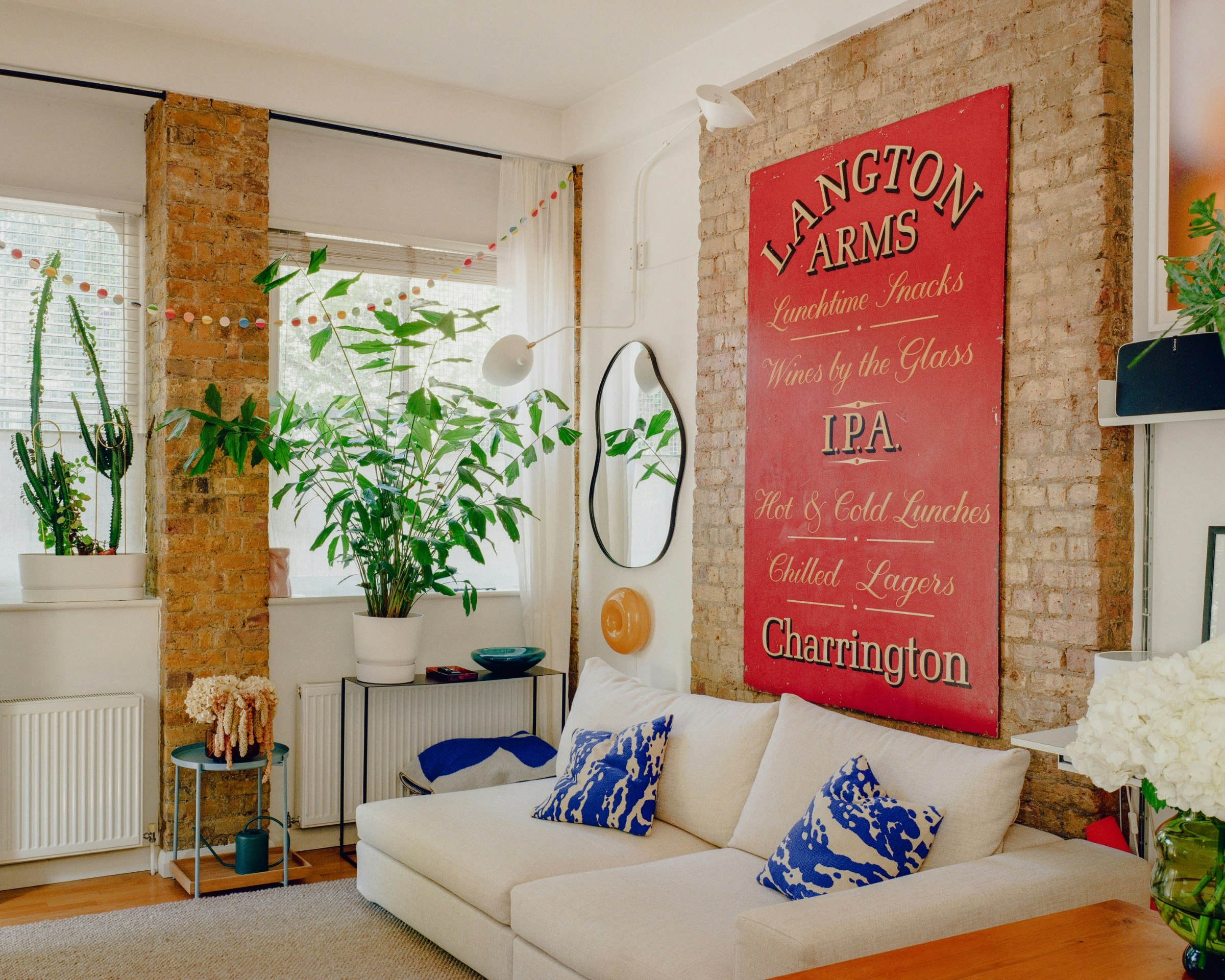
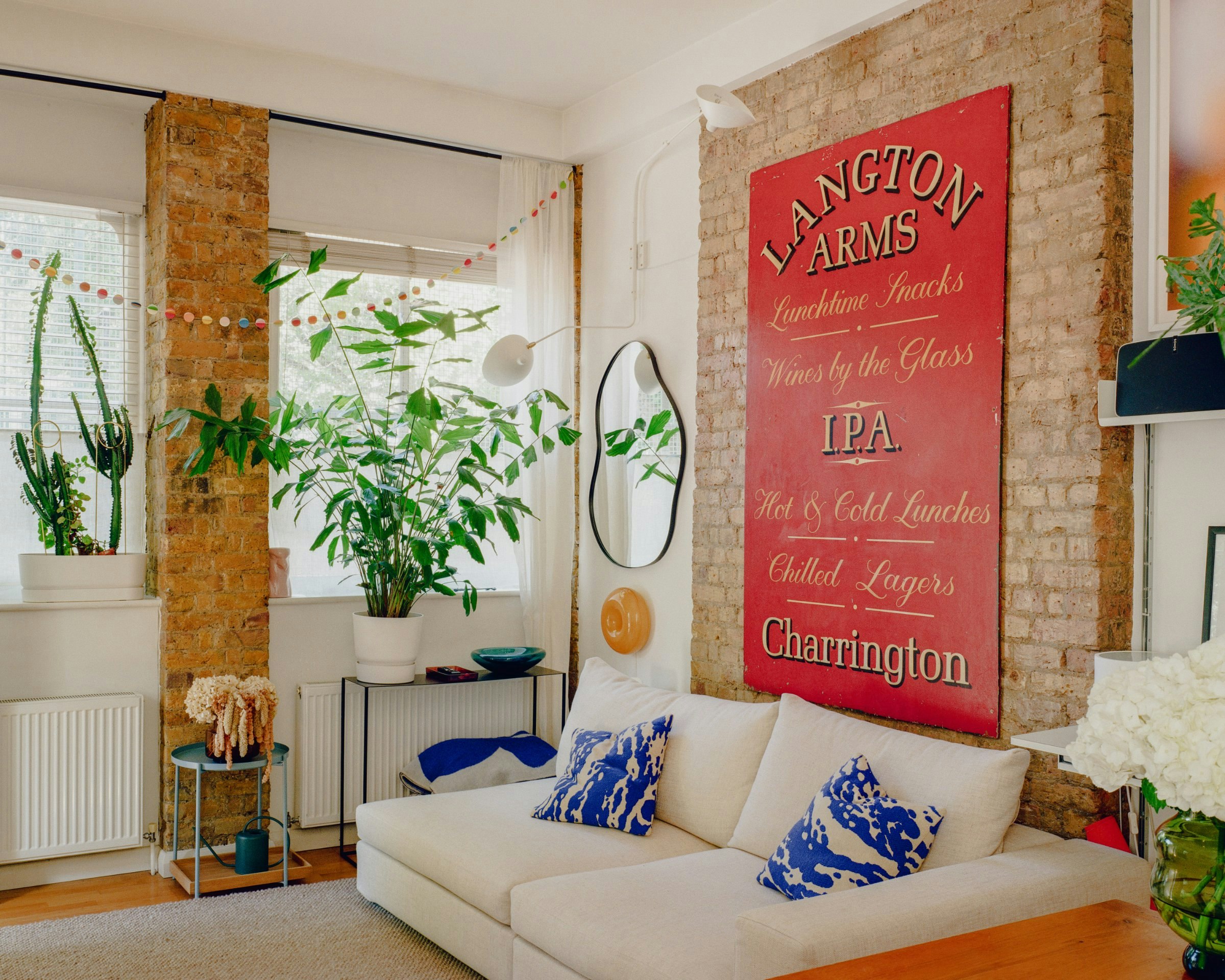
A Victorian pub conversion in Islington, poured back into domestic life, with the Langton Arms sign still presiding over the living room.

Status
For Sale
Price
£500,000
Size
621 sqft / 58 m2
Bedrooms
1
Bathrooms
1
EPC Rating
D
Service Charge
~£1500
Ground Rent
~£500
Tenure
Leasehold ~ 115 years remaining

A Victorian pub conversion in Islington, poured back into domestic life, with the Langton Arms sign still presiding over the living room.

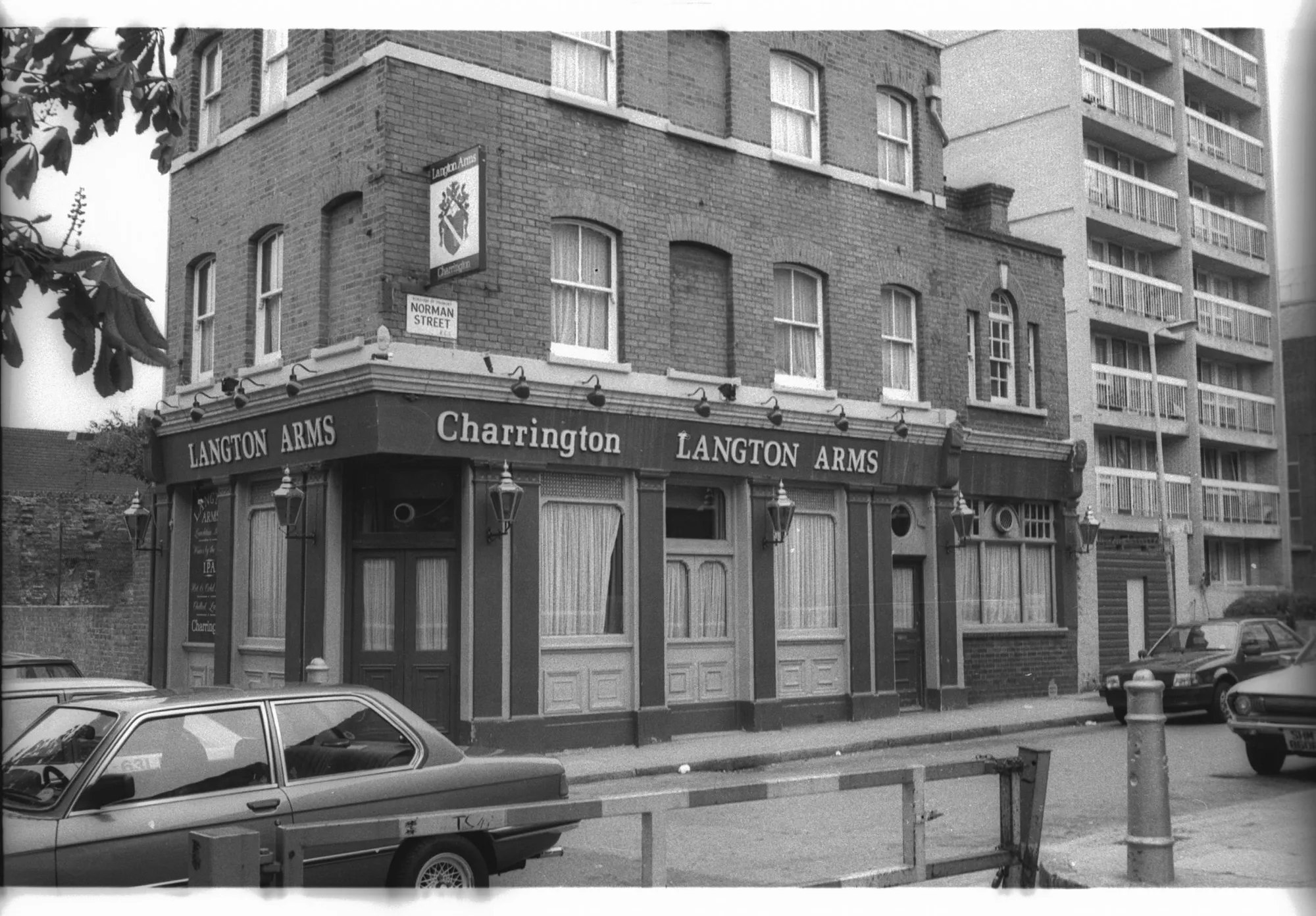
A Victorian corner pub in St Luke's, built by the trades, for the trades. It has outlasted its street, the the old borough of Finsbury and its brewery, and is now reinvented as a home full of character.

The History of The Langton Arms

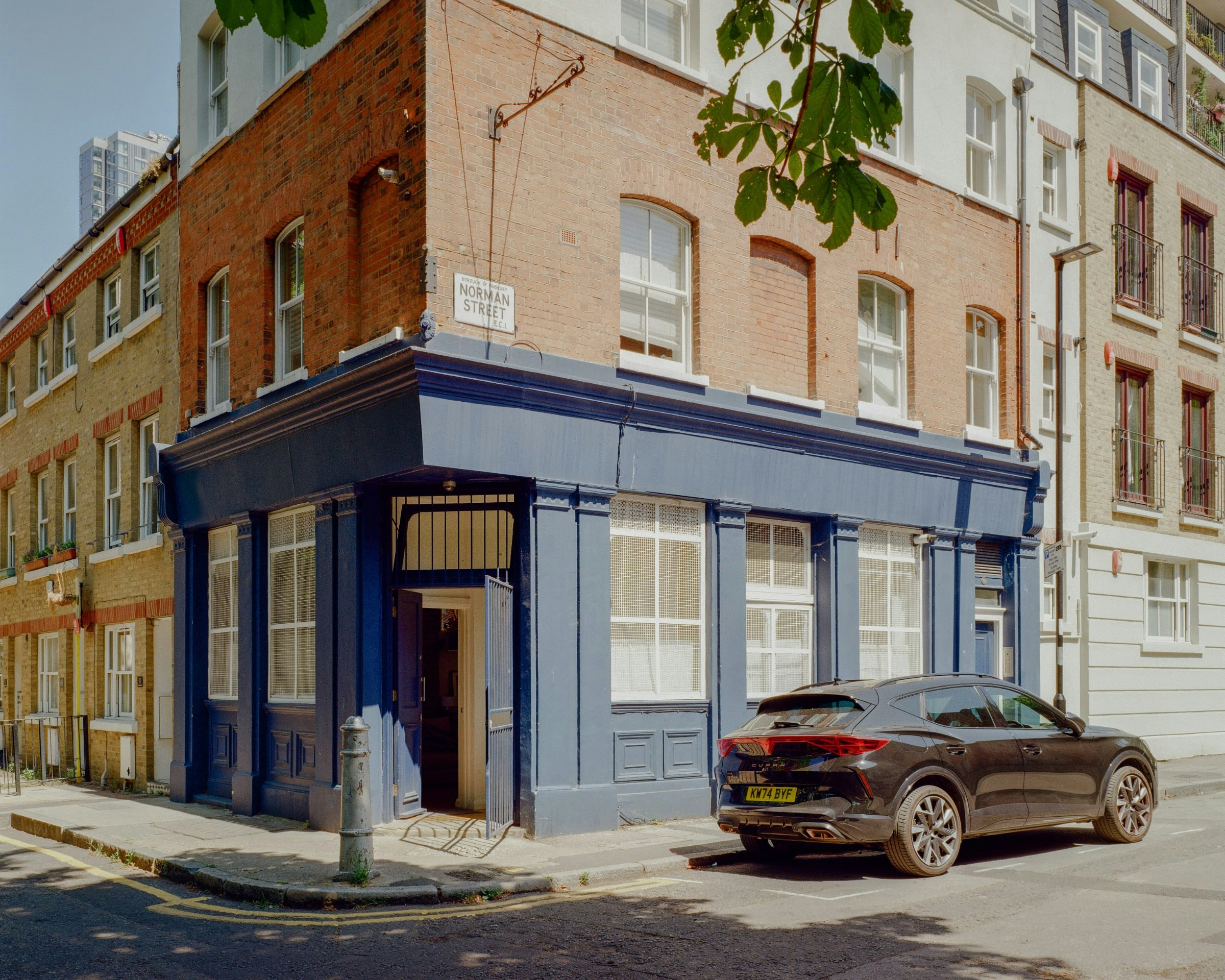
On the corner of Norman Street, a deep blue pub frontage announces the Langton Arms, which served this neighbourhood for the best part of a century and a half, closing around 1989 as the streets it had watched over were rebuilt around it. Inside, the pub's original signboard hangs on the exposed brick of the living room.

Norman Street is named after William Norman, a bricklayer who leased land here in the 1750s as the parish grew out of the City. This was a neighbourhood built by the trades, for the trades; its street names are still a roll call of them: Ironmonger Row, Ropemaker Street, Pear Tree Street. By 1842 the corner of Norman's Buildings was trading as the Langton Arms, and stayed a locals' pub to the end: darts, a function room, the same faces at the bar.

Almost everything else on these streets has been rebuilt since, some of it twice. The Langton Arms is one of the few survivors, and its conversion kept what mattered most: the character. The result is a light, open, characterful apartment, behind one of the only remaining Victorian shopfronts in St Luke's.

1.

2.

Life in the Langton

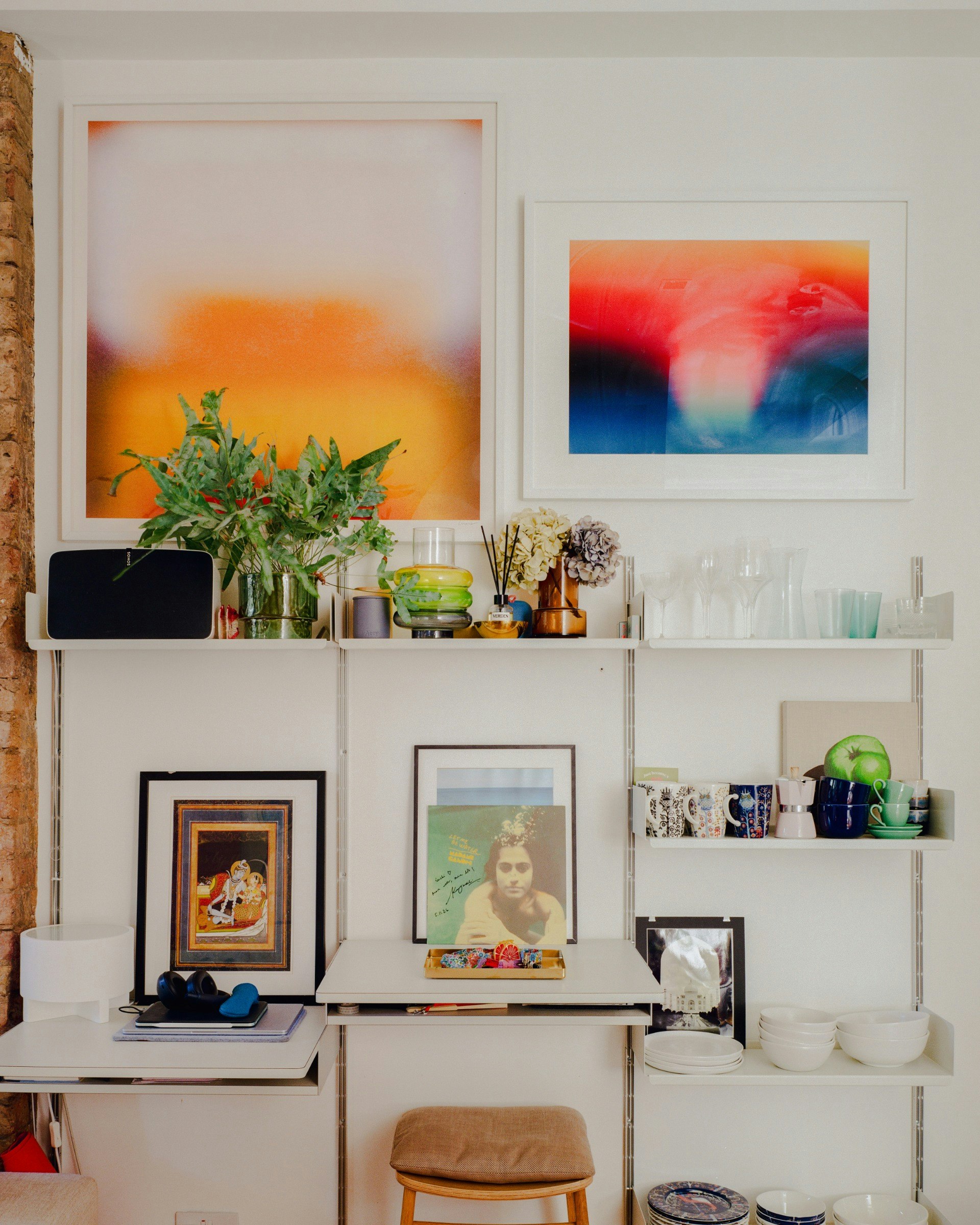
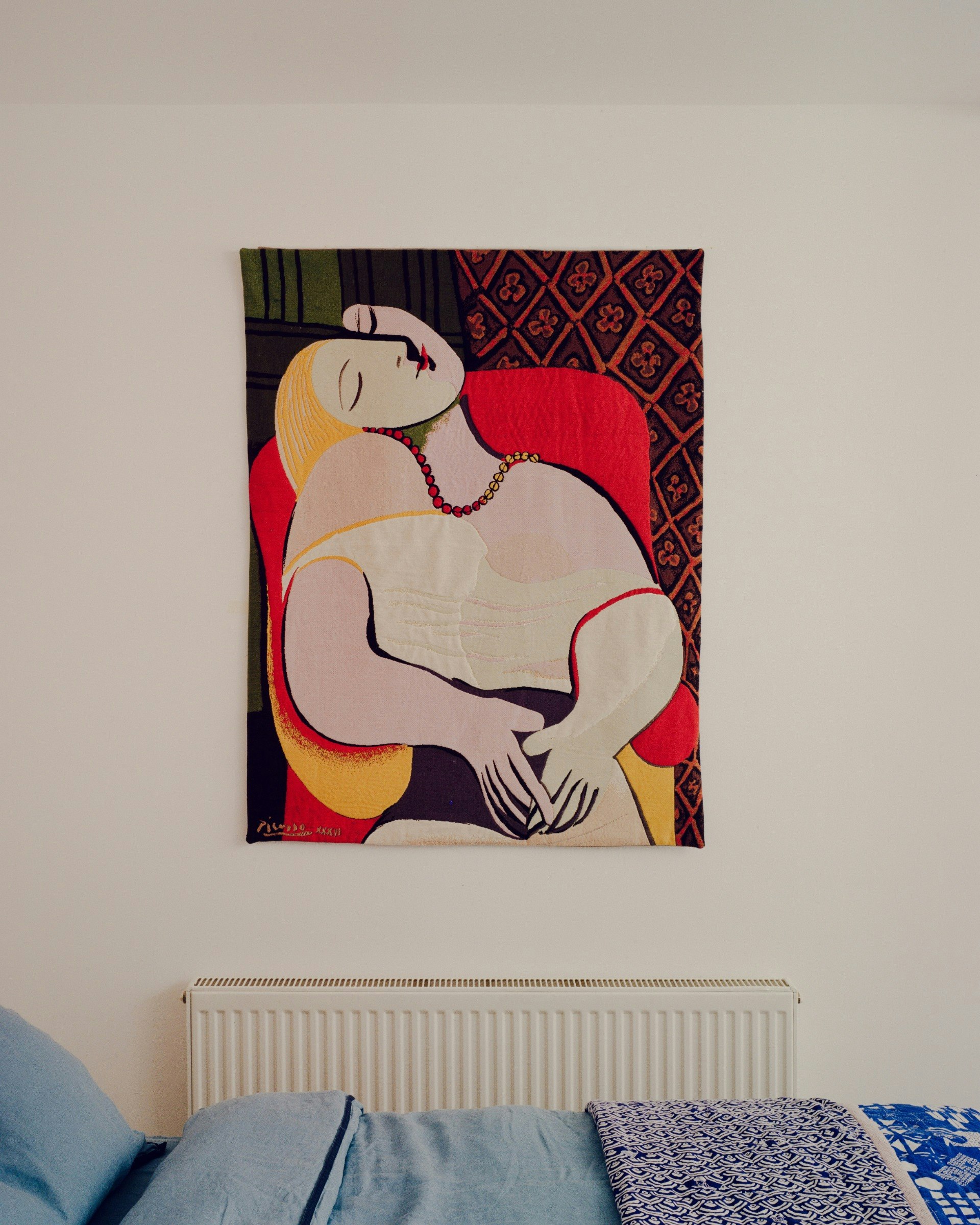
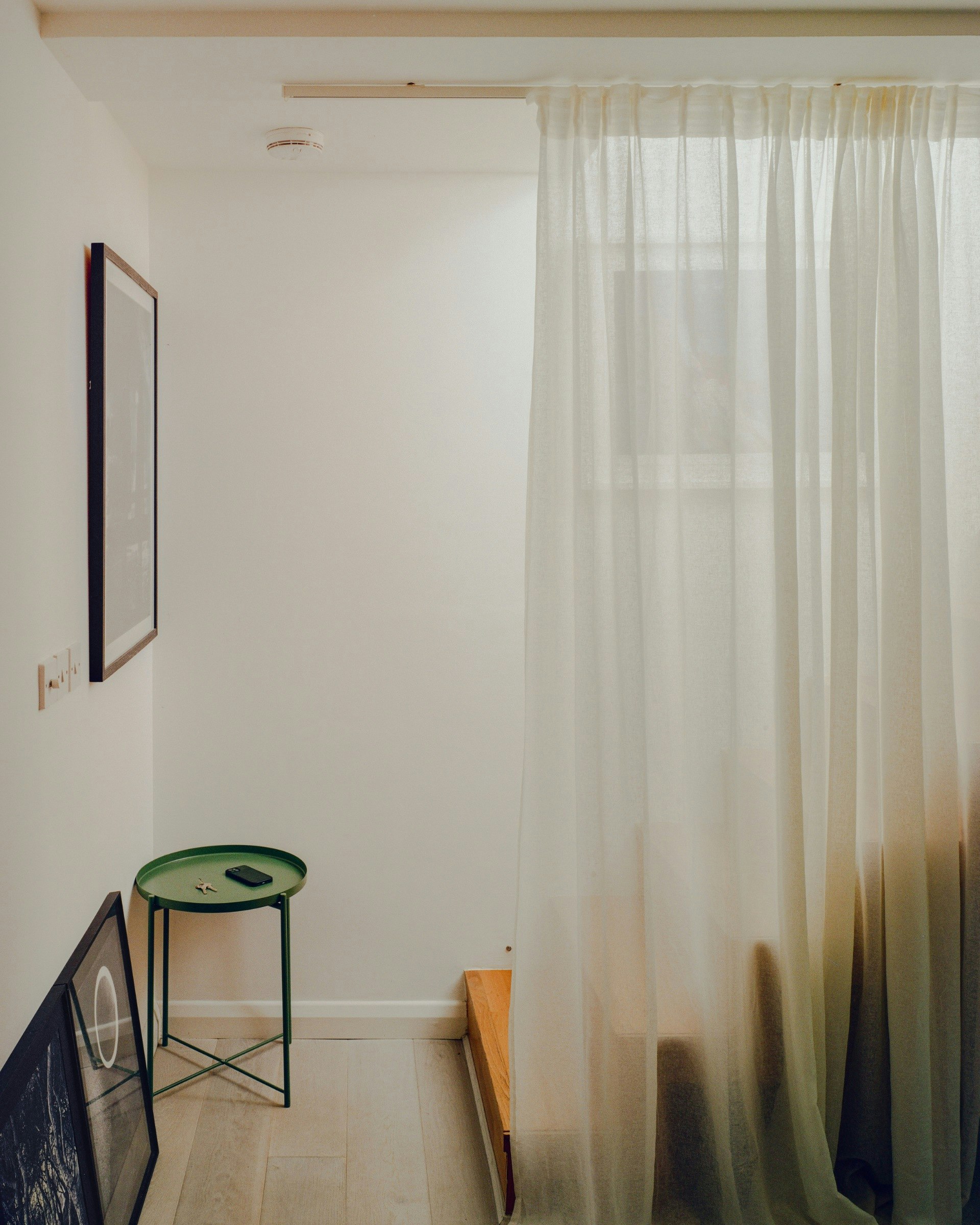
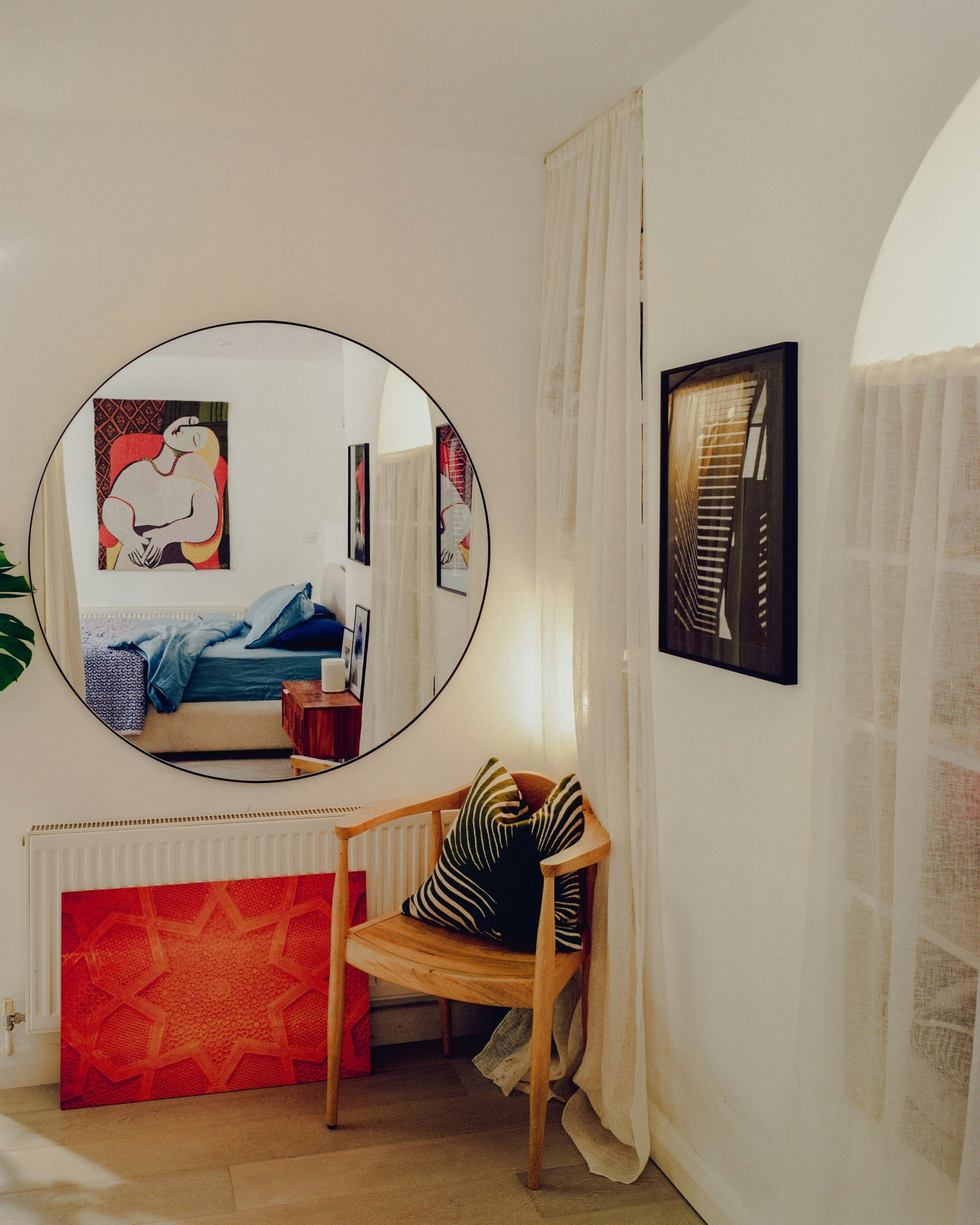
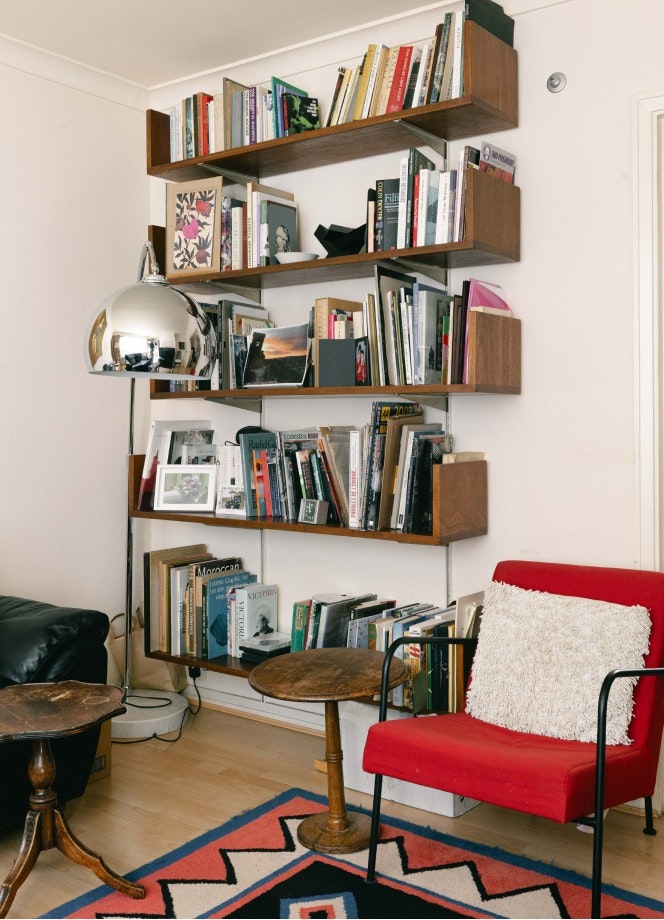
The apartment occupies the old public rooms and benefits from their exceptionally high ceilings. The living space is a single open room, wrapped on two sides by the tall glazing of the corner frontage, so daylight moves around it through the day. The brick piers that once framed the bar stand exposed against white walls and timber floors. The kitchen and dining space follow on in the open manner of the old plan: white metro tiles, dark stone worktops, a generous timber table and wall-mounted Vitsœ shelving. The signboard is the room's centrepiece, anchoring the home to its history: the pub's original Charrington board, hanging in the room it was painted for. The apartment steps across two levels linked by timber stairs. Sheer curtains stand in for doors, letting light travel the depth of the plan, and the bedroom sits apart as a calm, curtained retreat.

1.

2.

The Local Area of St Luke's

St Luke's, the old triangle of Finsbury between Goswell Road, City Road and Old Street, is full of places where the past is kept in service rather than preserved. Directly across the road, Ironmonger Row Baths has been steaming since 1931; restored in 2012, its original Turkish baths still operate beneath the modern leisure centre. Two minutes south, the obelisk spire raised by Nicholas Hawksmoor and John James above St Luke's church now crowns LSO St Luke's, the London Symphony Orchestra's rehearsal home. Five minutes' walk brings you to Bunhill Fields, where William Blake, Daniel Defoe and John Bunyan lie beneath the plane trees. Daily life gathers along Whitecross Street, whose weekday food market is among the best in central London, and among the cafés and bakeries of the City fringe. The Barbican sits just beyond Bunhill; Shoreditch and Clerkenwell each begin one neighbourhood over. Transport: Old Street station (Northern line and National Rail) is under ten minutes on foot, with Angel and Barbican within easy walking distance and the Elizabeth line at Moorgate and Farringdon. A quiet corner at the centre of a fast part of London.

For enquiries, to express interest or to find a similar home,
reach us at

info@folktaleproperty.com

Recently Sold

De Beauvoir Townhouse

Sold

De Beauvoir Road, N1

Stanhope Mews

Sold

Stanhope Mews, SW7

Moore House

Sold

Millfields Road, E5

© FolkTale 2026

Subscribe for property alerts