London

Runda

Price

£1,550,000

Tenure

Freehold

Address

Lamble Street, NW5

Request Viewing

Map

Request viewing of

Lamble Street, NW5

Call: 020 4621 6201Email: info@folktaleproperty.com

Or fill in the form below

By signing up you are agreeing to our Privacy Policy and Terms & Conditions.

FLAWK and NIKJOO bring a collective of artists, architects and artisans to a quiet corner of Gospel Oak.

Status
For Sale
Price
£1,550,000
Bedrooms
3
Bathrooms
4
Size
1361 sqft / 127 sqm
EPC Rating
B
Tenure
Freehold

FLAWK and NIKJOO bring a collective of artists, architects and artisans to a quiet corner of Gospel Oak.

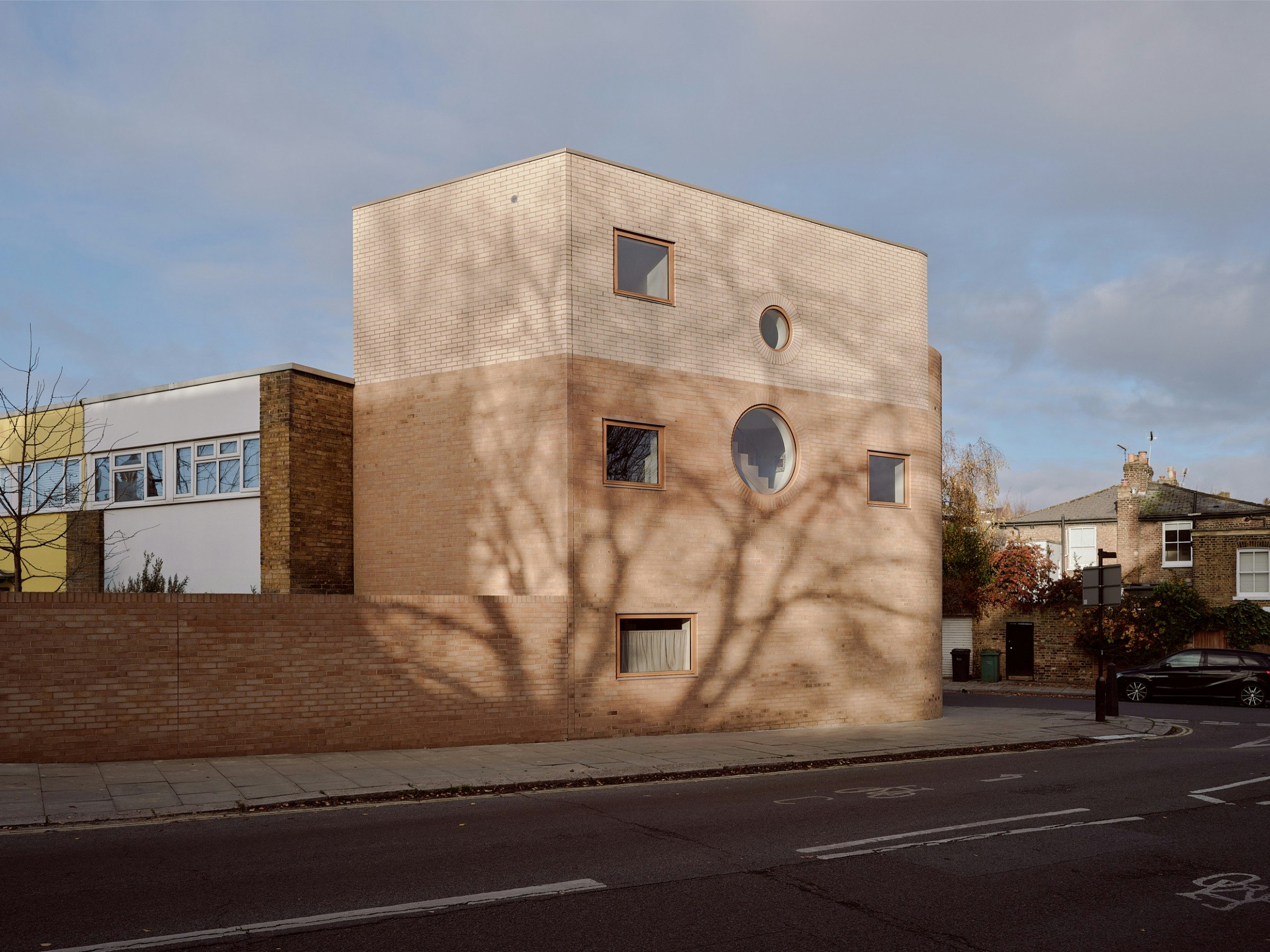
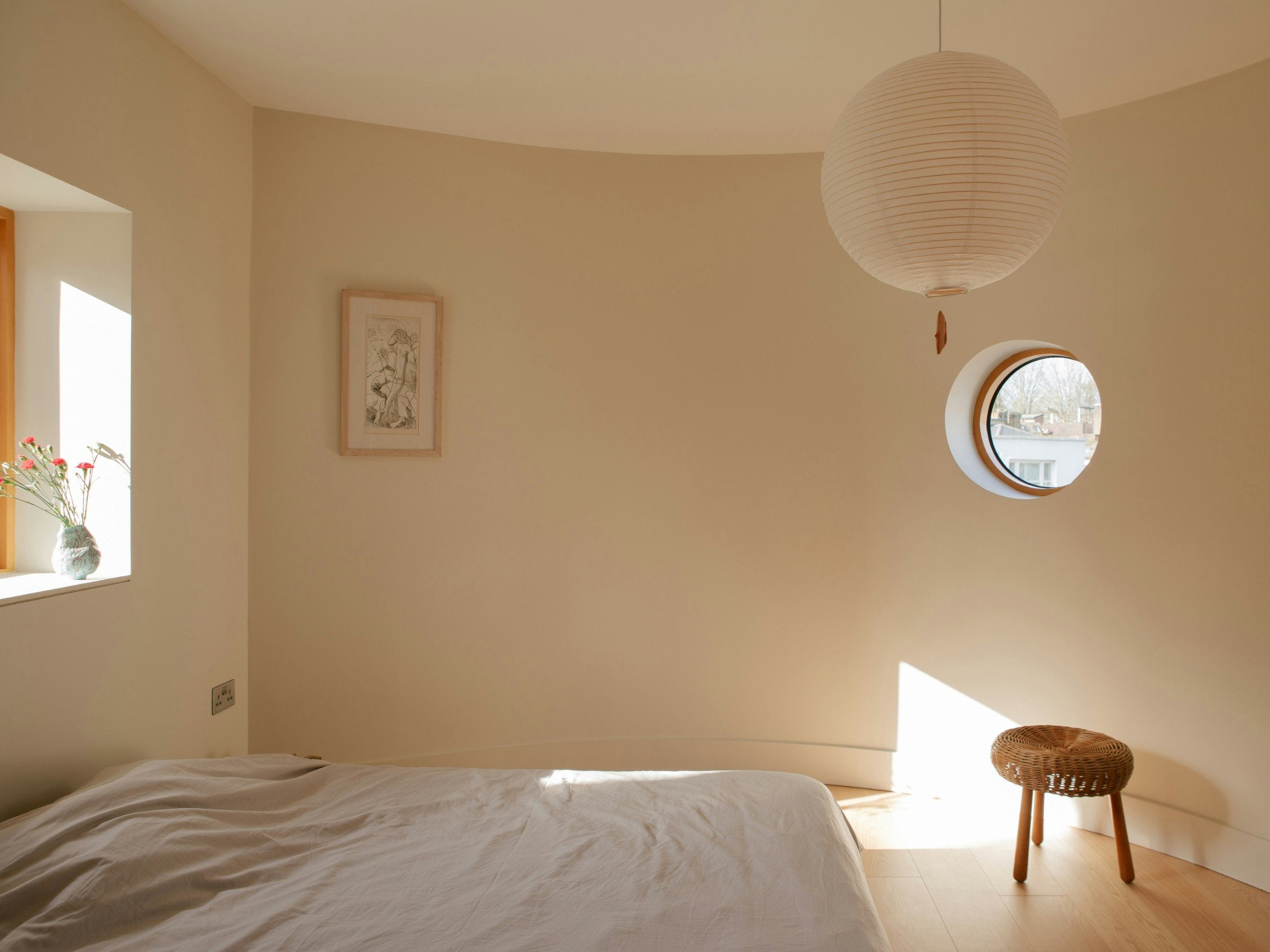
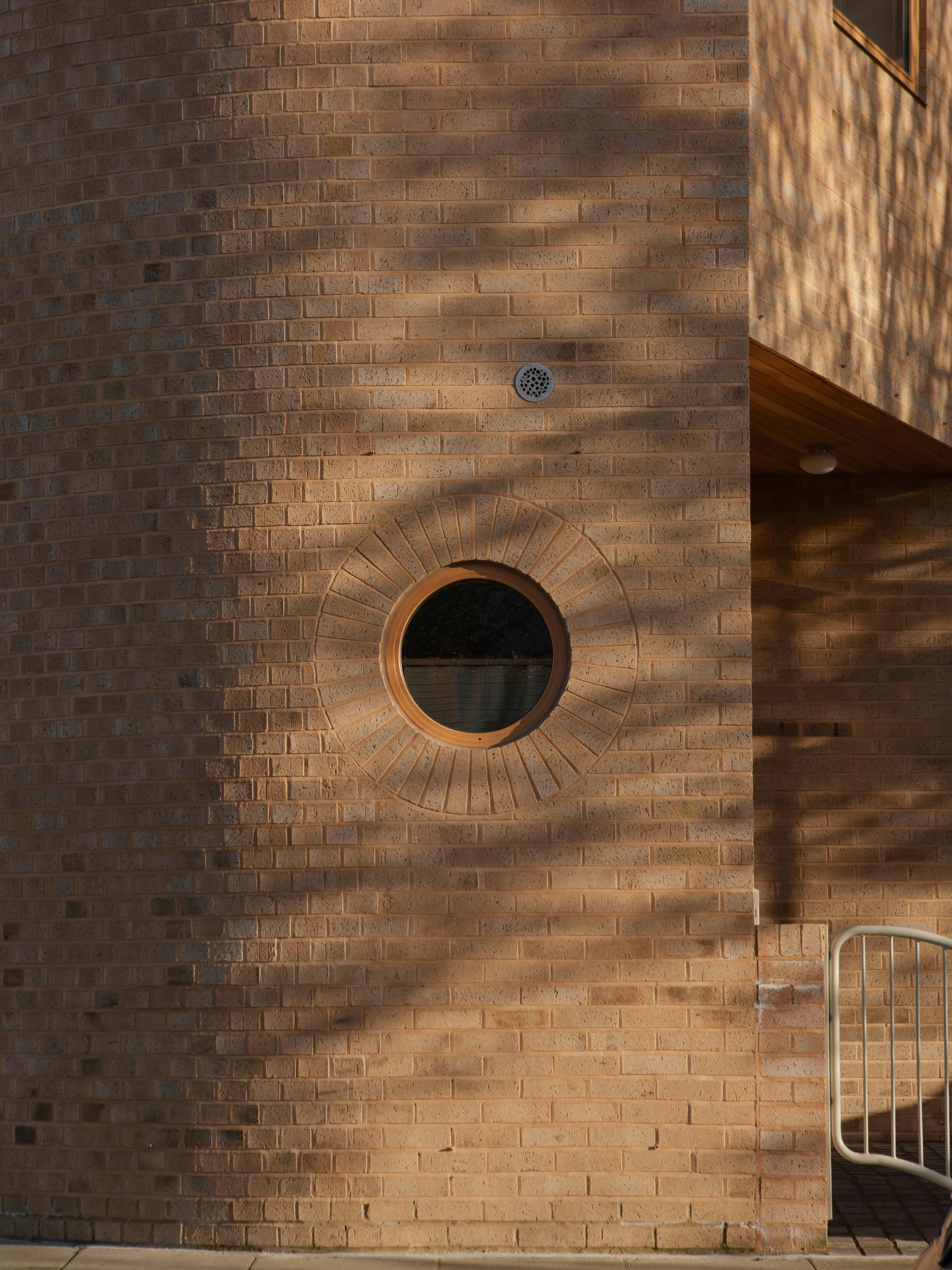
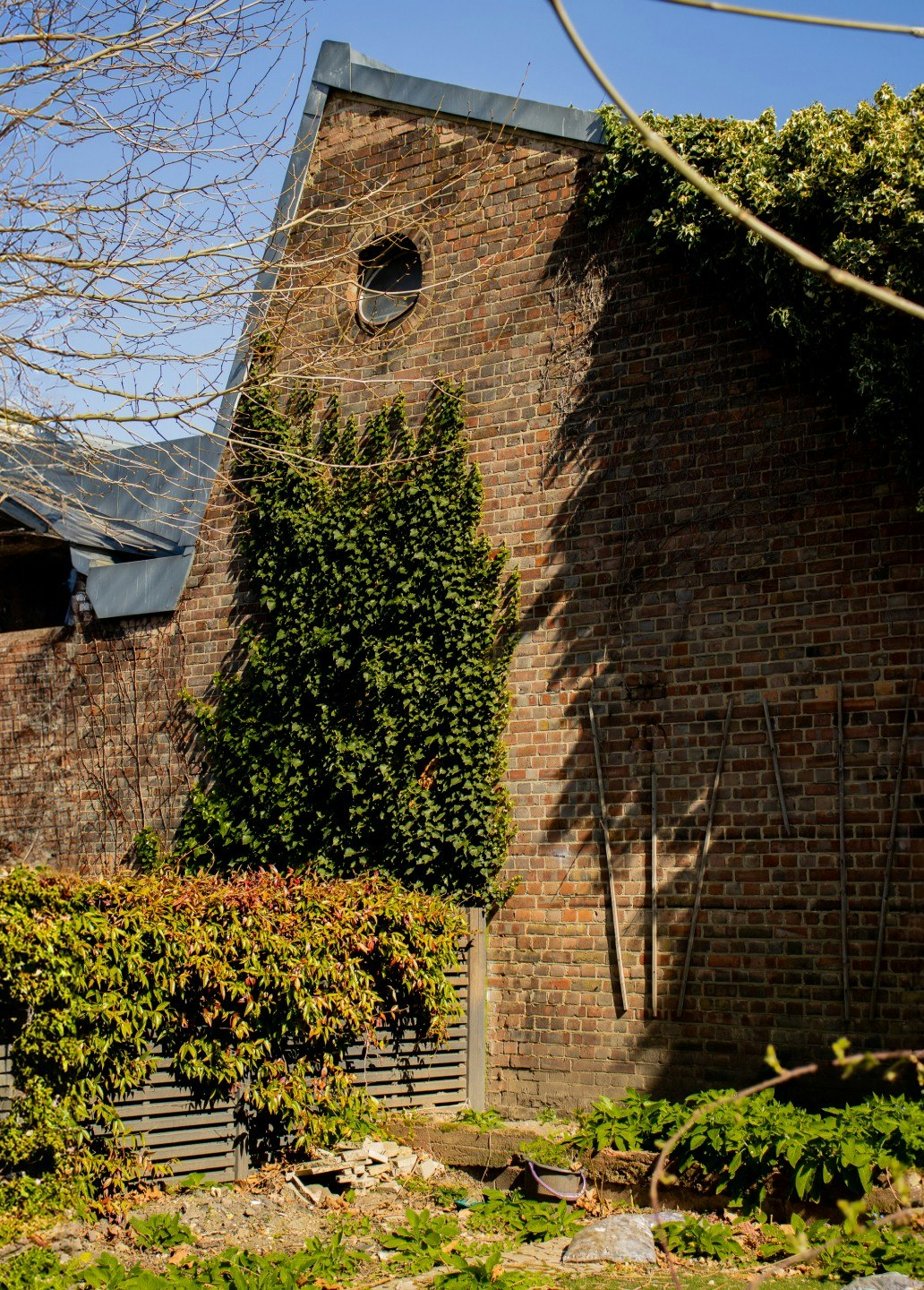
On a gentle corner where Lamble Street meets Grafton Road, a unique plot has been transformed into one of north London's most distinctive new homes. Runda is the work of FLAWK, the design-led developer founded by Bartlett graduate Ashley Law, and architectural practice NIKJOO. Its distinctive curved boundary became the organising principle for the entire design. The result is a home that feels both specific to its place and entirely its own: a CLT frame house enclosed in two-toned brick, animated by porthole windows and gently curving walls. It is a home shaped by craft, community and conviction, and one of the most acclaimed new residences in London this year, featured in Dezeen, Wallpaper, ICON, Architects Journal, and Divisare.

1.

2.

Site History

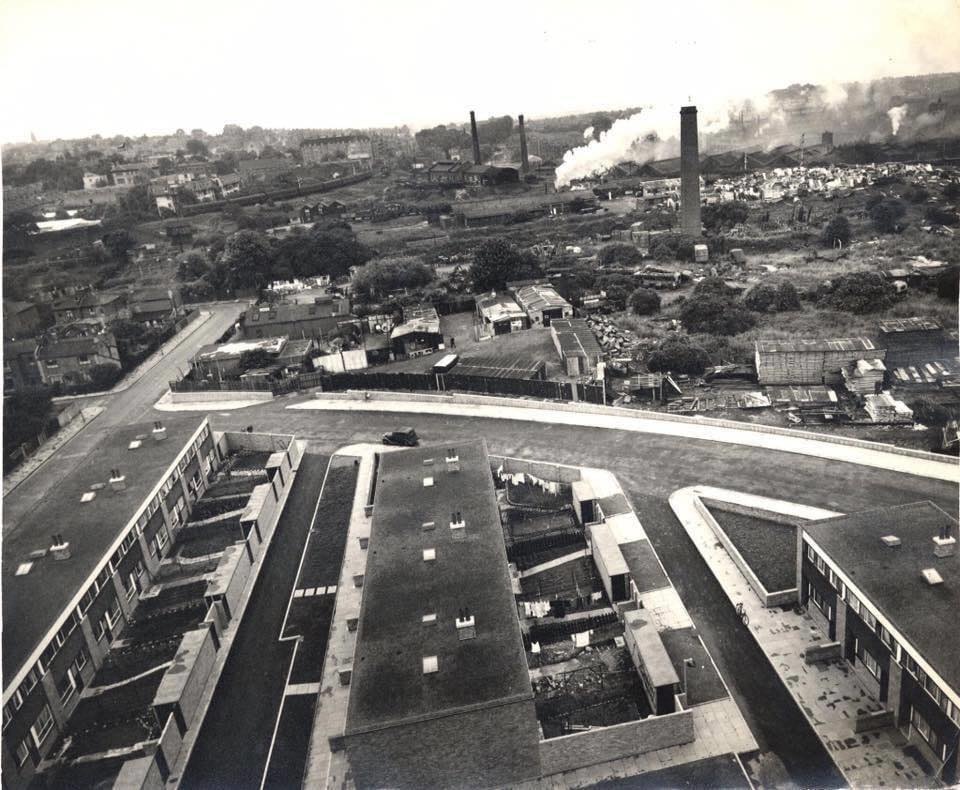
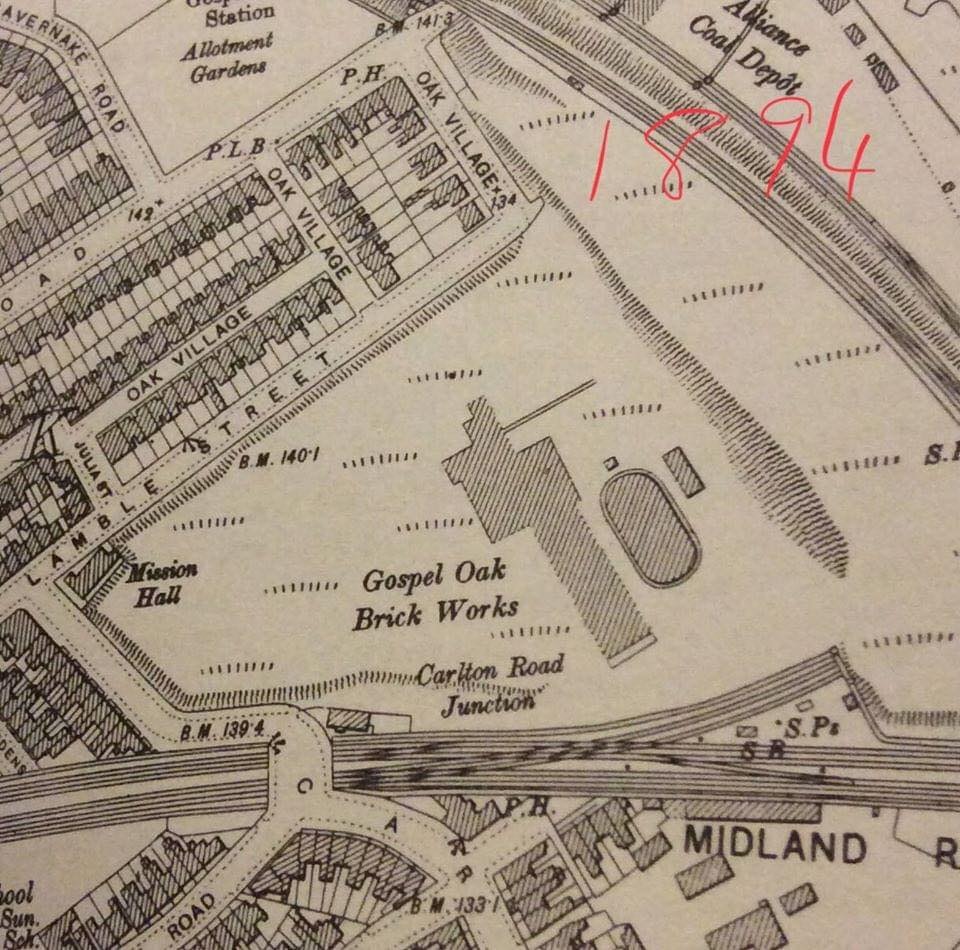
Overgrown and fenced off, the corner plot at the end of Lamble Street and Grafton Road had formerly served as a brick-firing plot, part of the industrial supply chain that built the wider Gospel Oak neighbourhood during its nineteenth-century expansion.

When FLAWK's Ashley Law found the site, its most distinctive feature, a curved boundary tracing the arc of the corner, became the organising principle for the entire design. Nothing about the plot was orthogonal. The sides tapered, the angles were irregular, and there was no obvious way to impose a conventional domestic plan. NIKJOO and FLAWK allowed these eccentricities to generate the form of the building from the ground up, producing a house whose plan is entirely specific to this one piece of land.

The surrounding context is architecturally rich. Powell and Moya's Lamble Street Estate (1951-54) sits immediately adjacent, alongside Benson and Forsyth's maisonettes, Burd Haward's more recent infill houses and Peter Barber's contemporary terraces, a neighbourhood shaped by successive generations of thoughtful, architect-led residential work.

Runda does not imitate any of these precedents, but it is in quiet conversation with all of them. The facade is composed in two tones of brick, a material chosen for its connection to the site's history as a kiln. The lighter upper band echoes the tonal variation that occurs naturally during the firing process, reducing the perceived mass while binding the building to the industrial memory of its plot. The height of its darker brick band aligns perfectly with the neighbouring terrace. It is a house that listens to its surroundings before speaking.

1.

2.

Flawk x Nikjoo

The conventional model of housebuilding separates design from construction, and construction from finishing. An architect draws. A contractor builds. An interior designer furnishes the result. Each stage operates at arm's length from the last, and the finished building carries the seams of that distance. FLAWK and NIKJOO rejected this from the outset, working side by side throughout, sketching layouts together, present on site together each week, making decisions through a process Law describes as conversational rather than contractual. Midway through the build, Nikjoo joined FLAWK as in-house architect, formalising a relationship that had already made the usual boundary between developer and designer irrelevant. The effect is a coherence and care that is immediately felt on entering the house. The language of the exterior continues without interruption into the rooms within. There is no moment where the architecture ends and the interior begins, and that continuity is the direct consequence of two people who refused to treat design as something to be divided up and handed off.

1.

2.

Craft & Collaboration

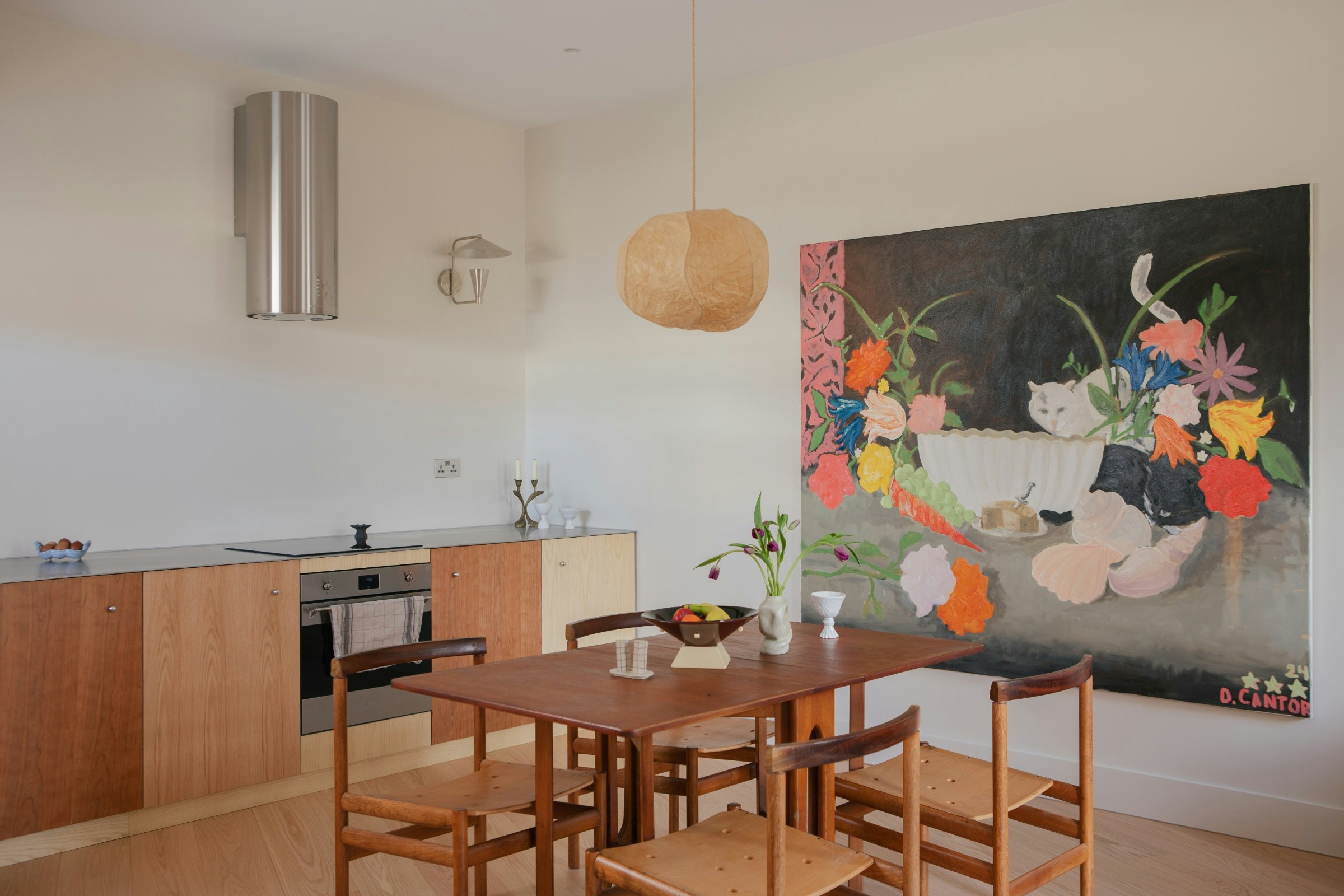
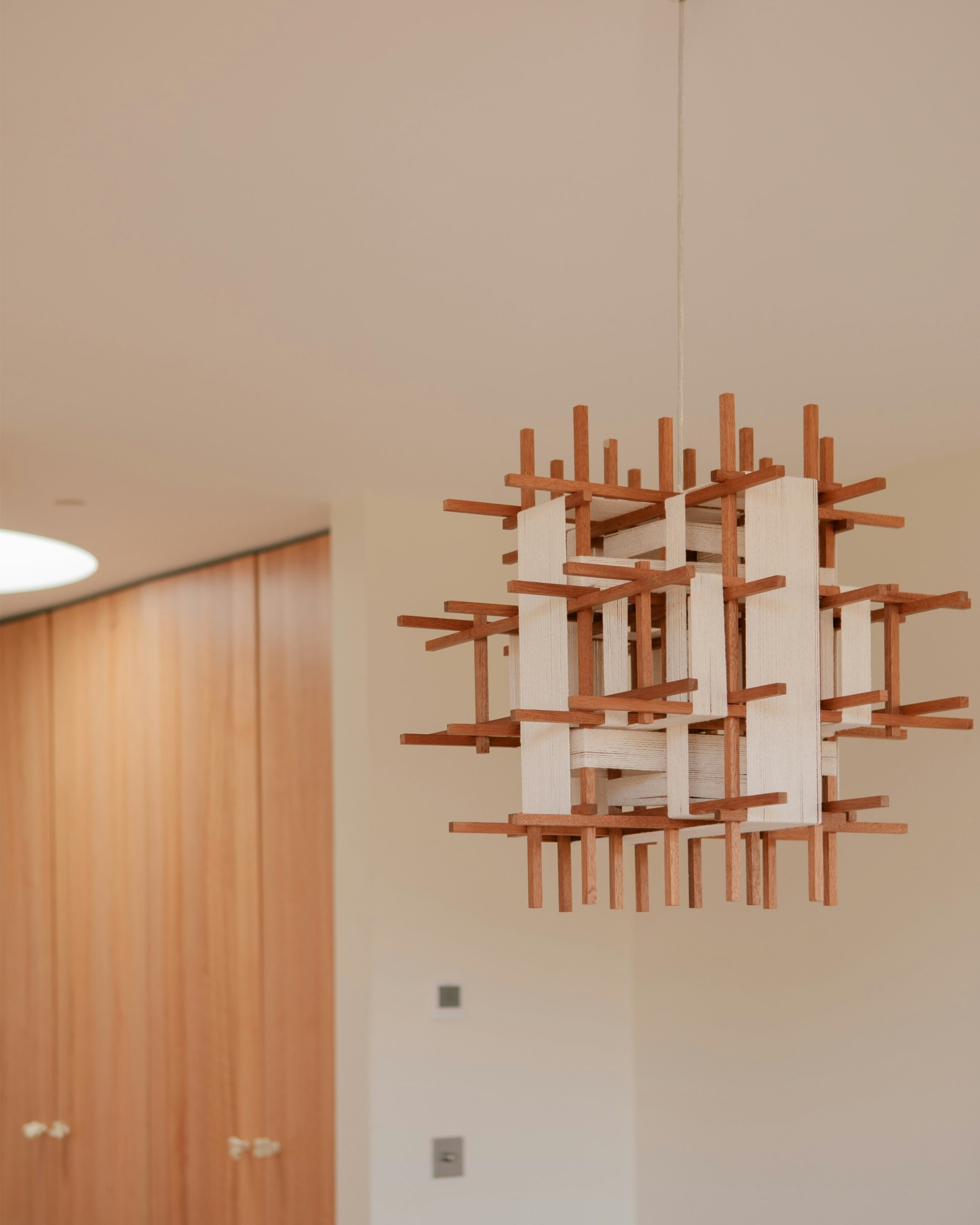
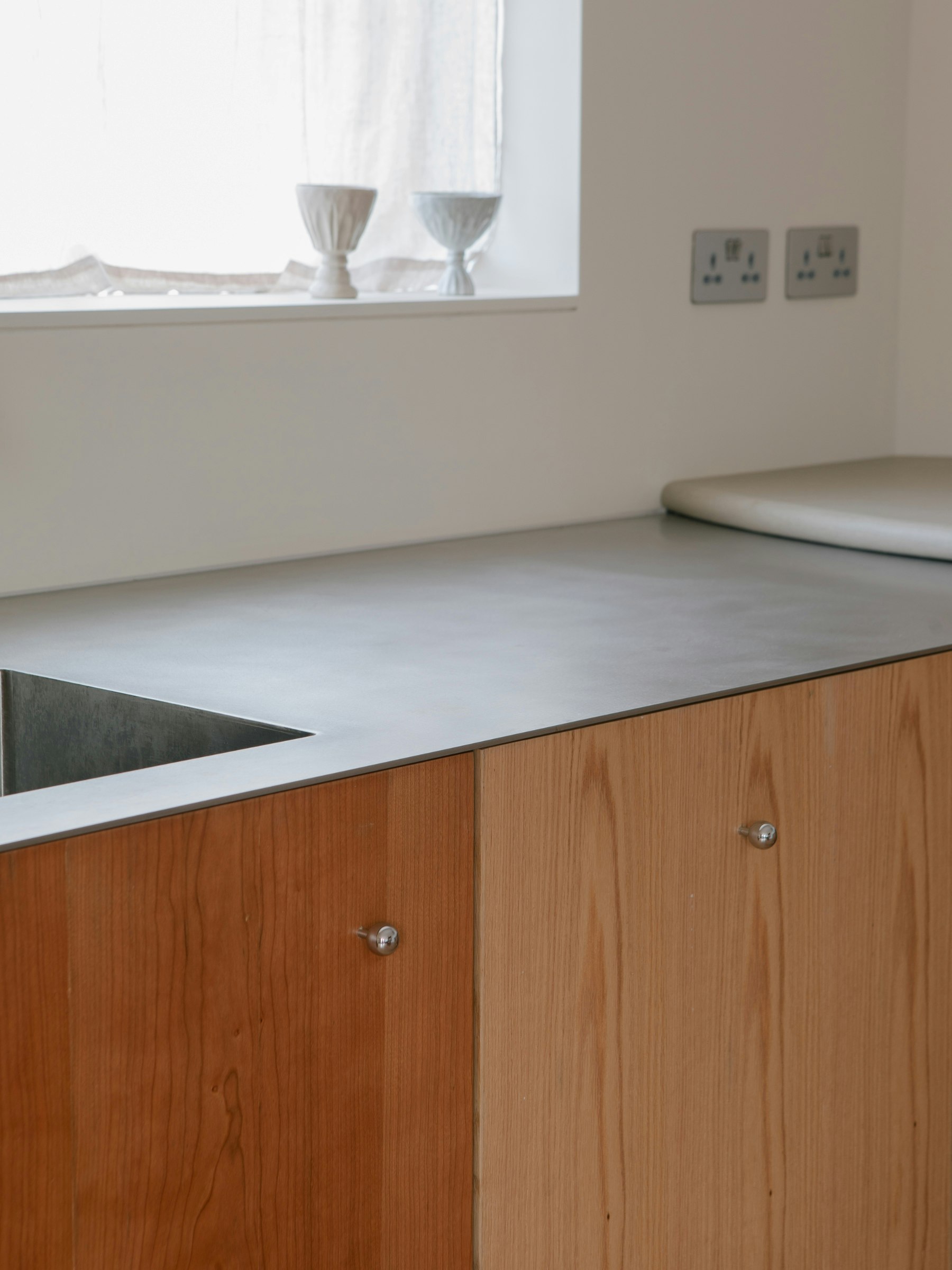
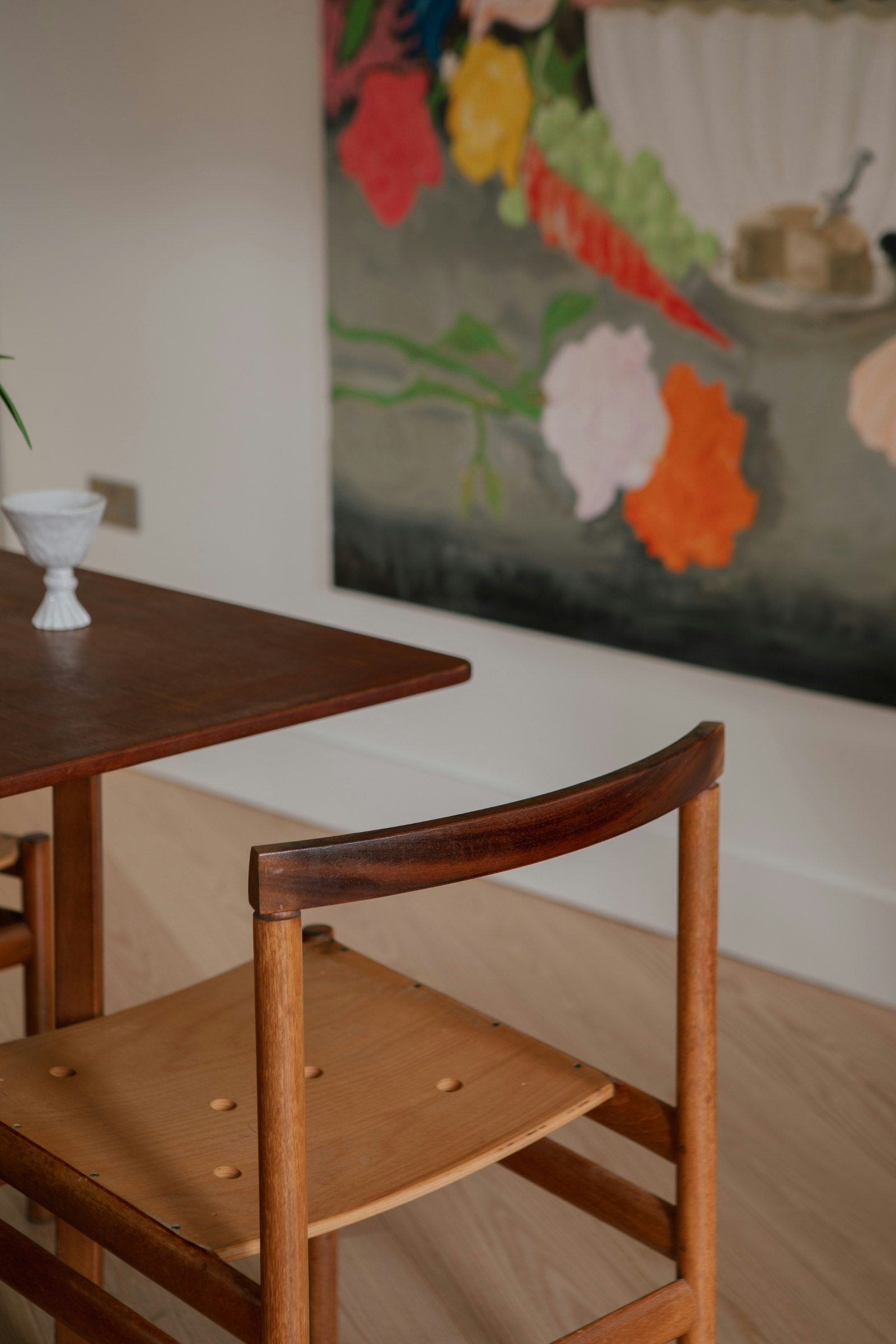
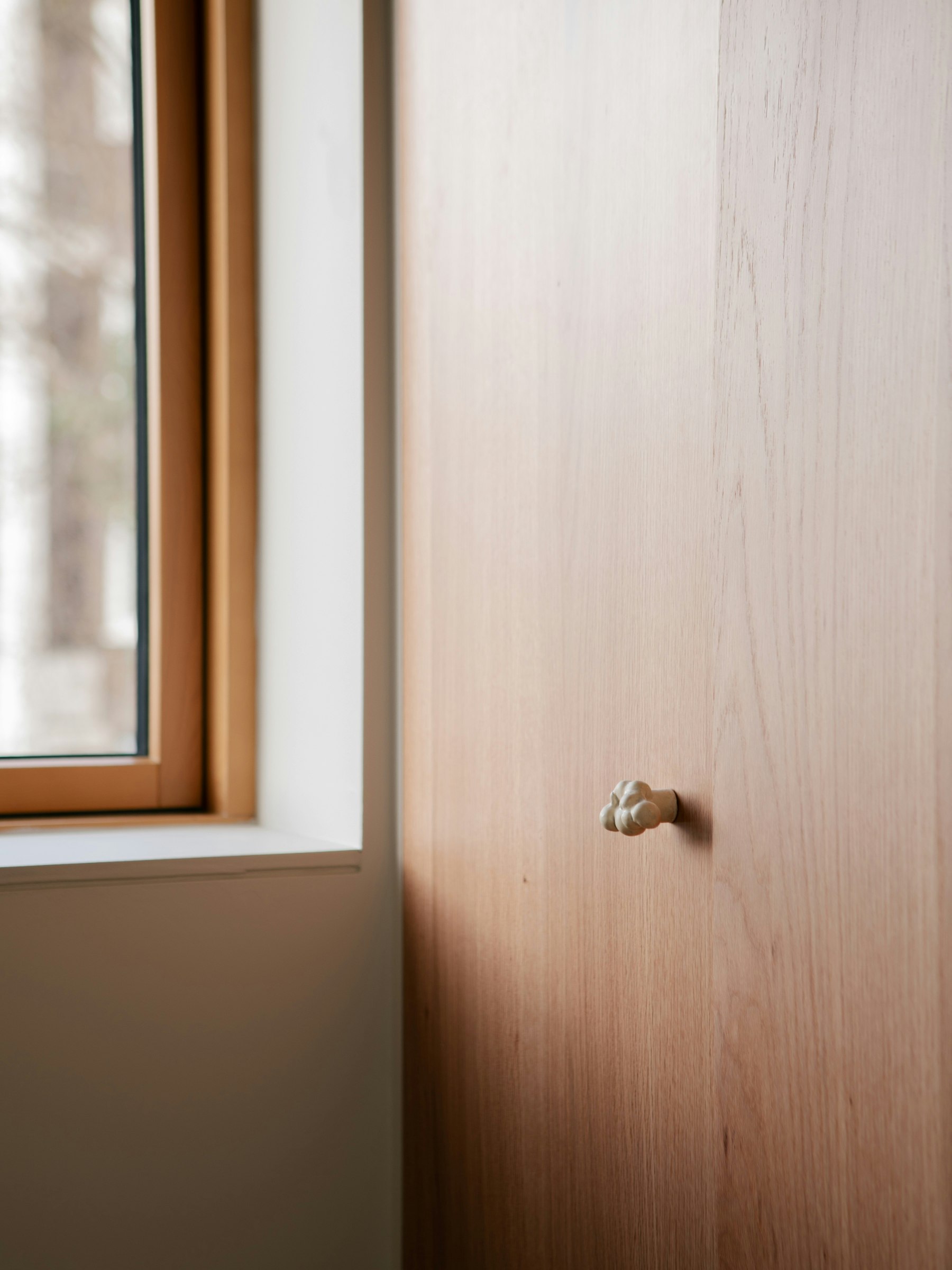
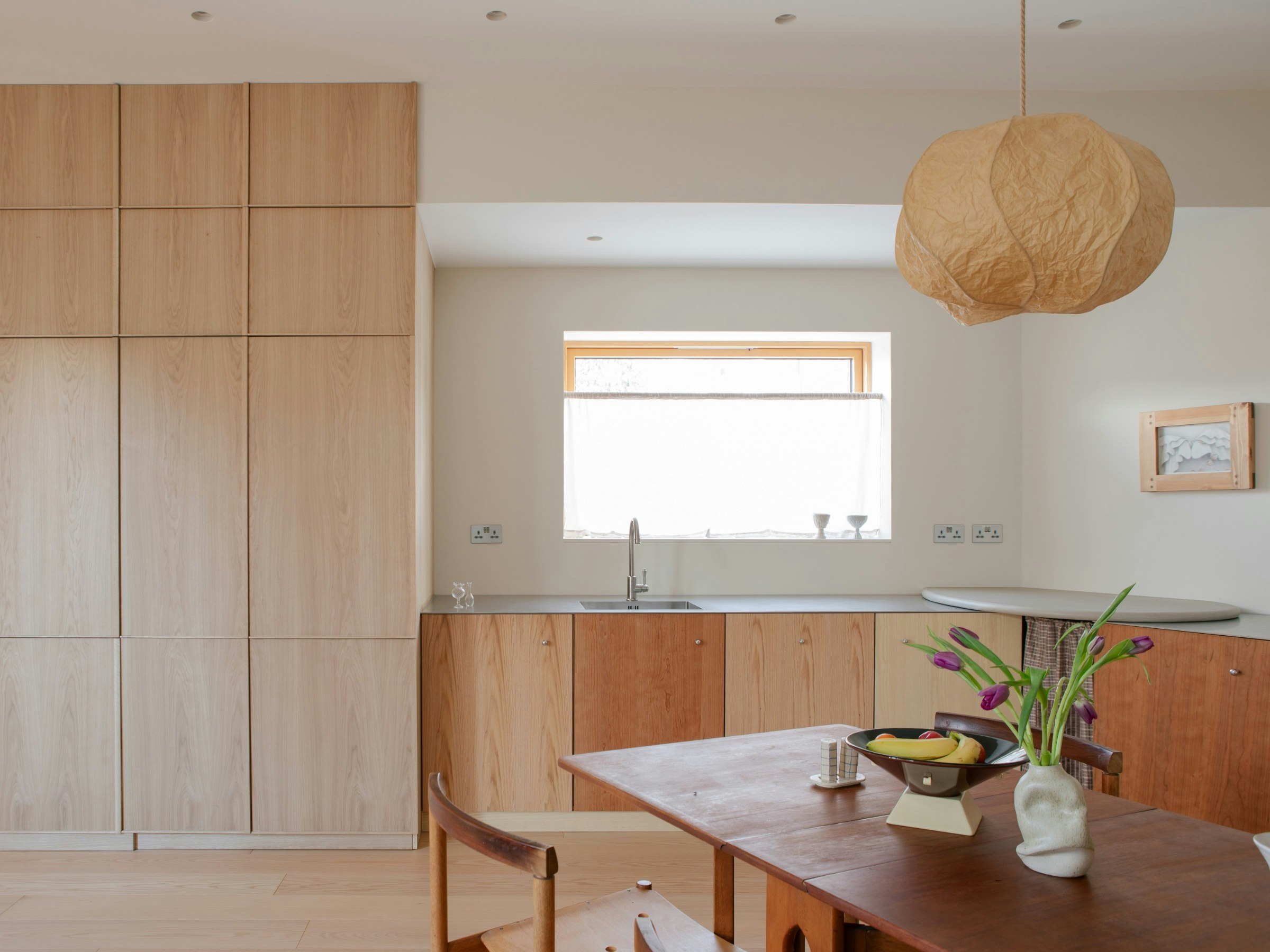
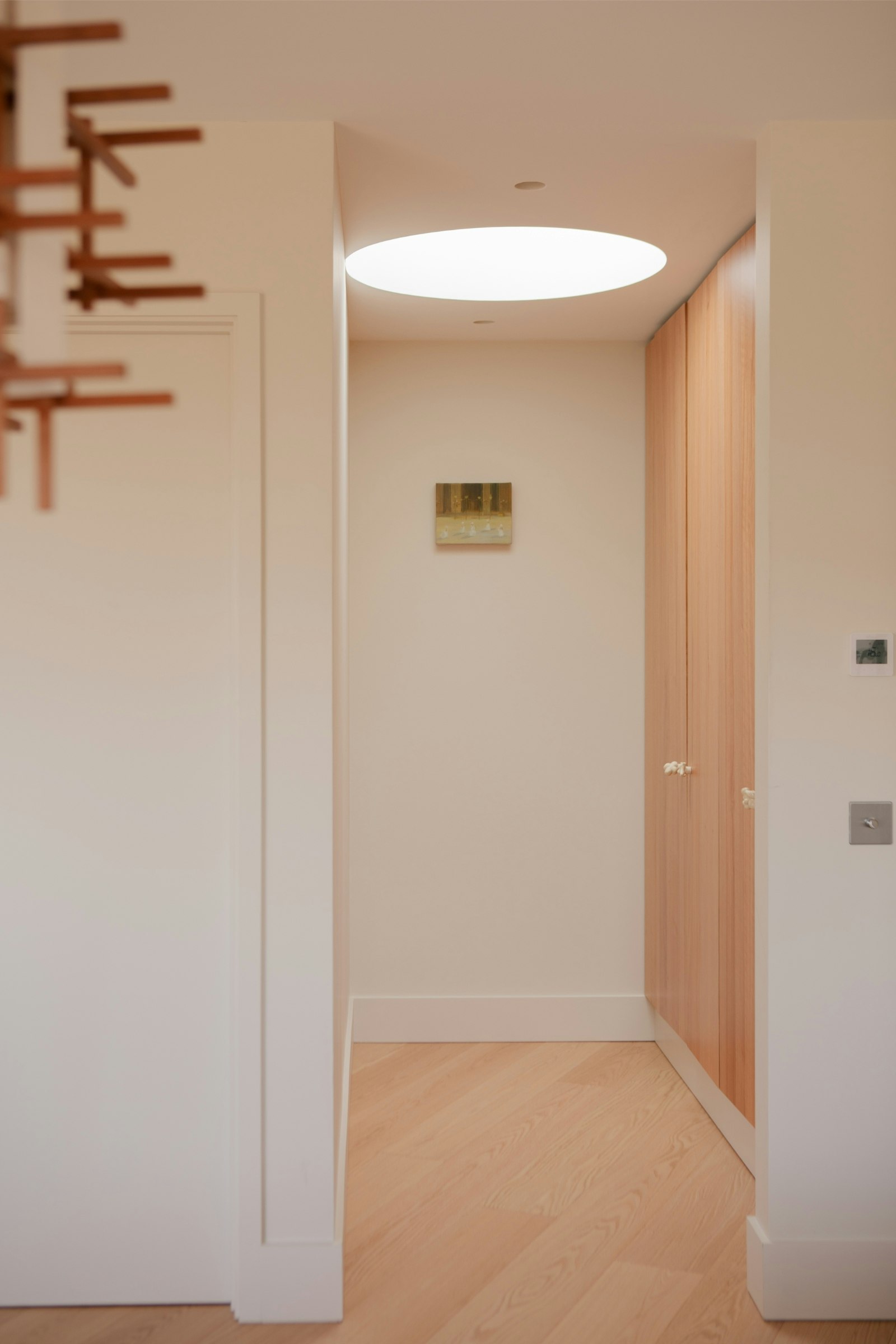
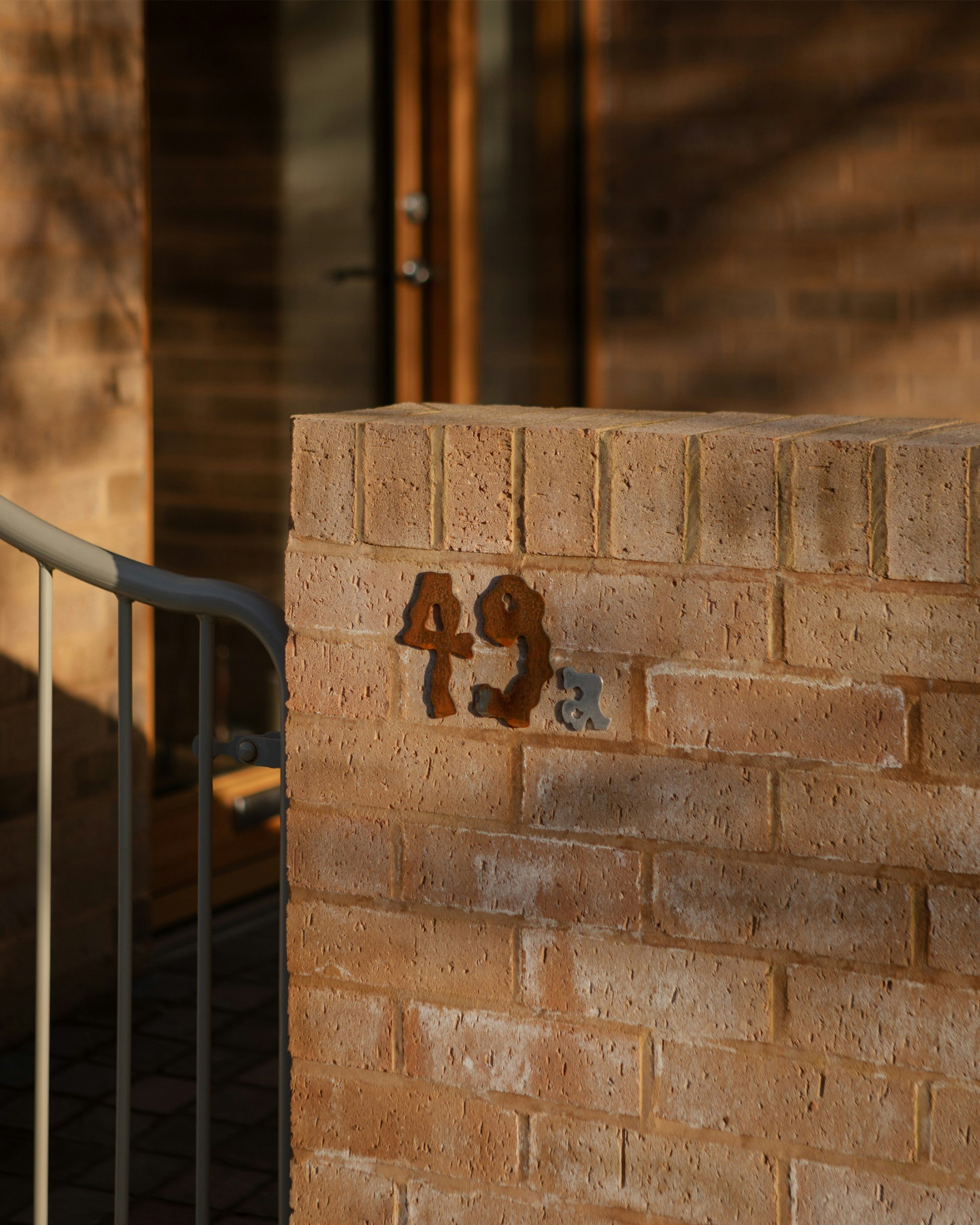
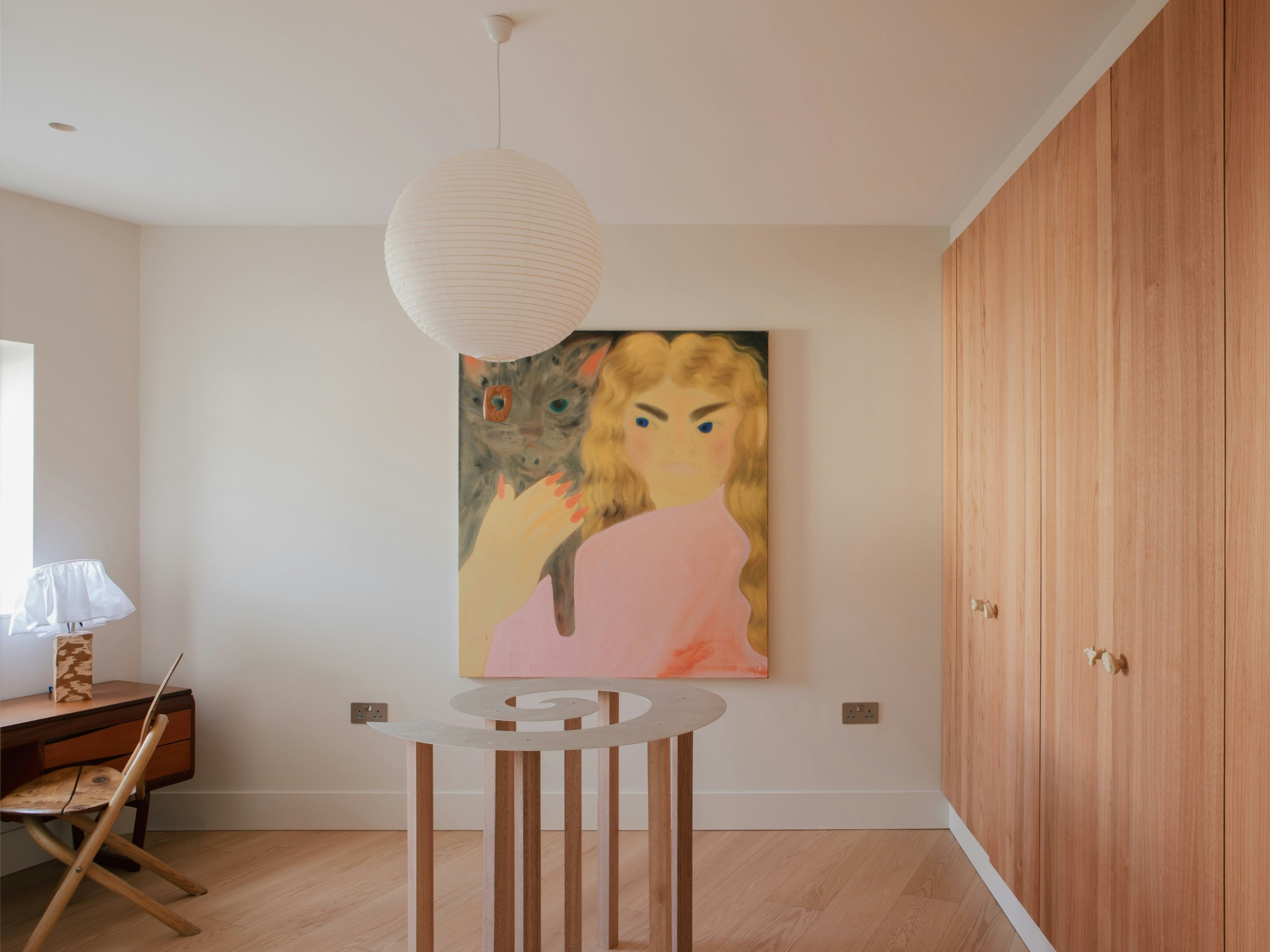
FLAWK operates on the principle that at it's best, the creation of a home can be a platform for the people who make it. At Runda, this principle is present in every room, in objects you can touch and stories you can trace back to the hands that shaped them. Many people made this place. Every element, down to the door handles, has been considered, and crafted with care. The ceramic knobs were made by students as part of a workshop held in collaboration with STORE Projects, an association of artists, architects and designers working to bring more young people from underrepresented backgrounds into creative careers. This thread of considered making runs through every room. Fabrics by emerging textile artists. Bespoke lighting by Freddy Tuppen and Findere. Artworks curated in collaboration with Miłość Gallery. The kitchen, designed and fabricated by FLAWK themselves, combines three species of British wood in a single run of joinery. Nothing here is accidental. It is a home where the smallest detail carries a story, and where the act of making has been treated as inseparable from the act of designing.

1.

2.

Life in Runda

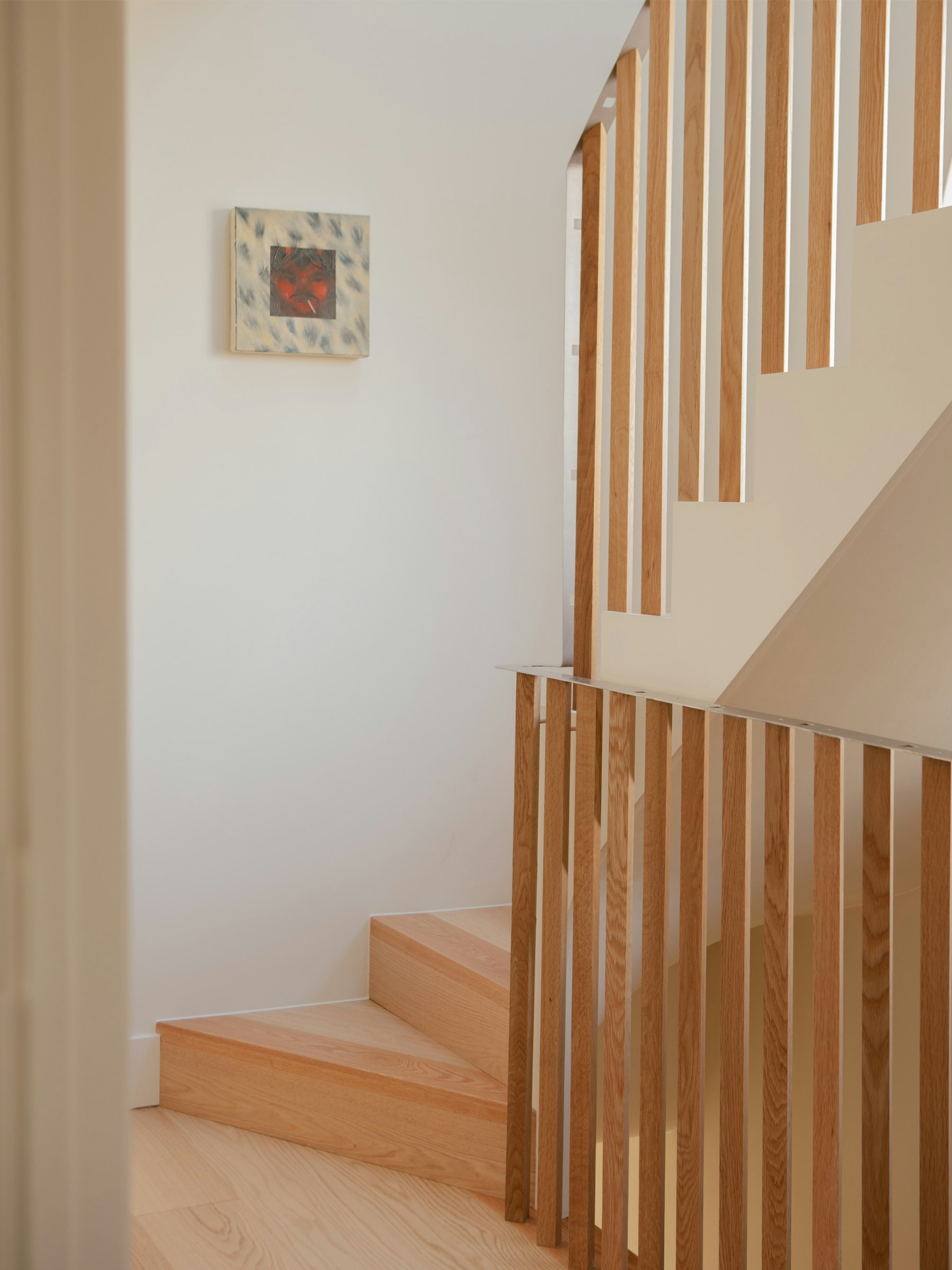
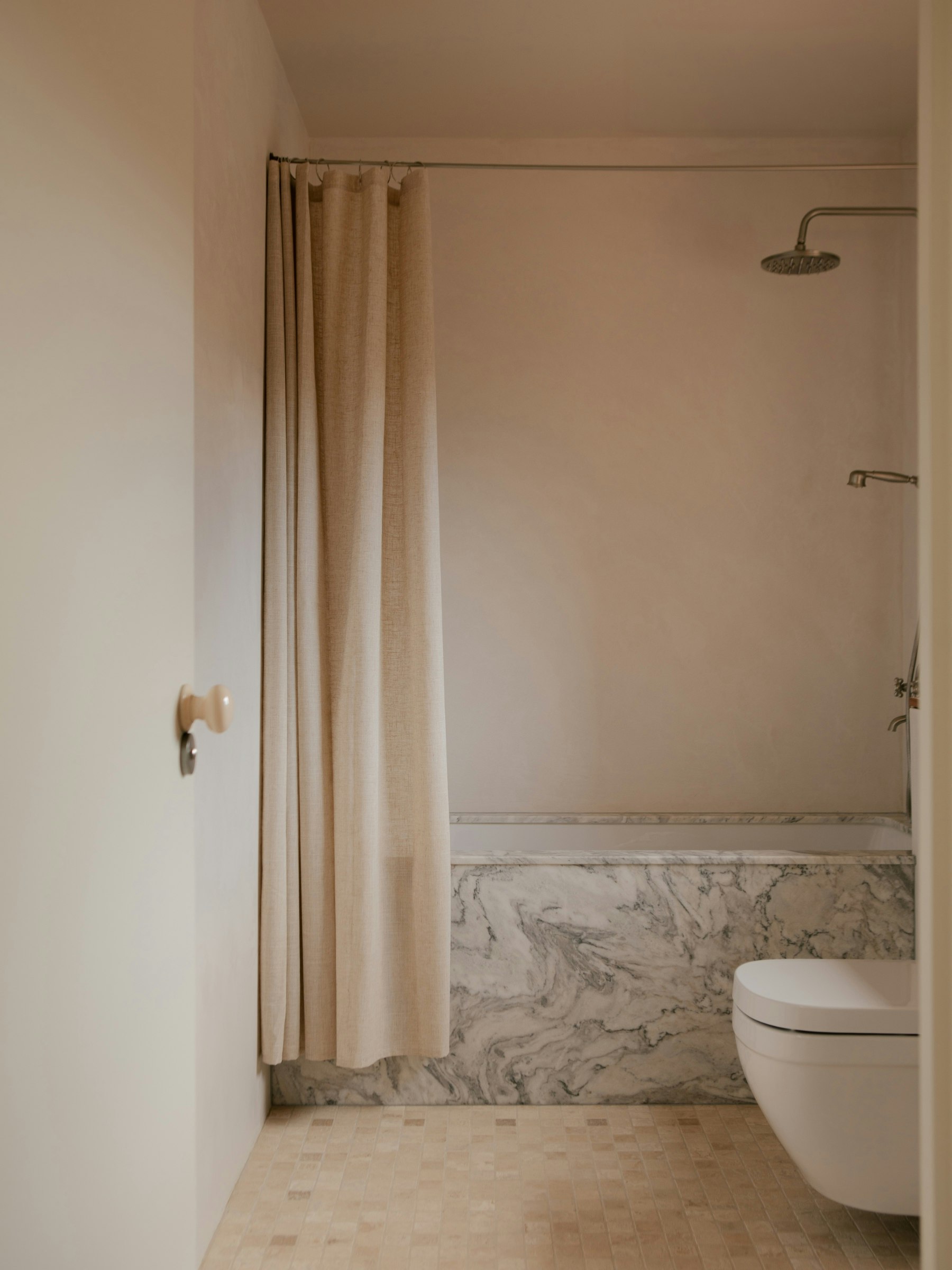
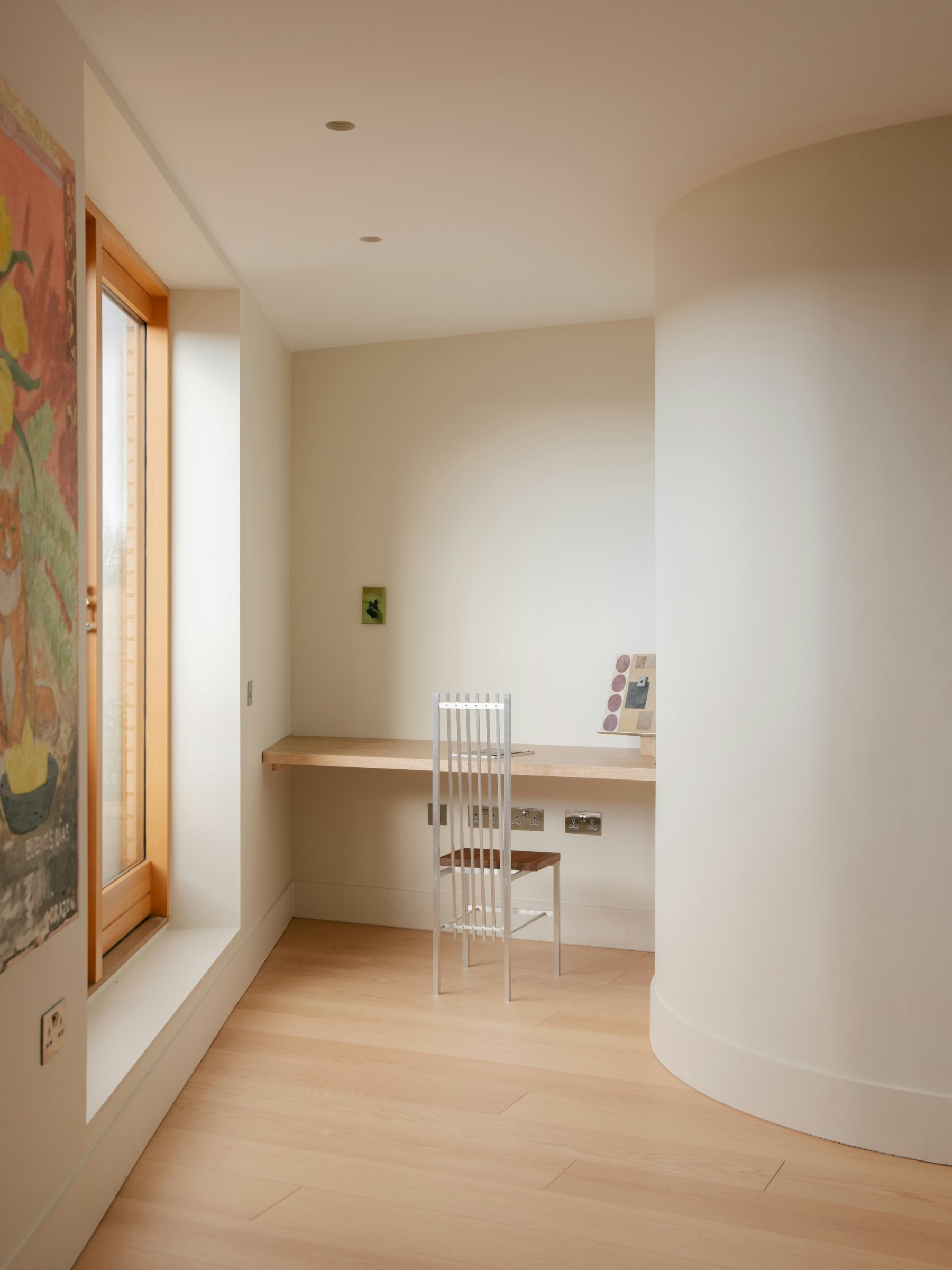
Inside, the consequence of building with the land rather than over it is immediately apparent. Walls bend gently, corners give way, and the home rewards exploration. The ground floor is arranged as a single open living space. Generous ceiling heights and a large window overlooking the planted front garden give the interior a sense of openness that belies the modesty of the plot. A wall of timber panelling folds out to subdivide the space when intimacy is needed, transforming the room in a single gesture. A bespoke curved staircase in stainless steel and oak connects all three floors. At the mid-landing, a playful porthole window frames a view of the neighbourhood, a moment of orientation that keeps the interior connected to the life of the street. Above, a rooflight draws daylight deep into the plan, and the interplay between the two sources produces shifting shadows throughout the day. Law has described this as a kind of designed clock, marking time not through numbers but through light on surfaces. The first floor accommodates two bedrooms, both with en-suite's, whilst the master suite above opens onto a private terrace with views towards Hampstead Heath, the canopy of trees visible above the rooftops. Materials are deliberately restrained, with spaces designed to serve rest and daily life rather than compete for attention.

1.

2.

Gospel Oak

Gospel Oak is one of north London's most understated neighbourhoods. Set on the southern edge of Hampstead Heath, it combines the deep residential character of a well-established community with the cultural breadth of Kentish Town on its doorstep. The Heath's 800 acres of semi-wild landscape is a defining presence, and Parliament Hill offers panoramic views across the London skyline. Gospel Oak also has a thriving local food and drink scene. Queen's Crescent Market runs twice per week. The Southampton Arms is renowned for its Dickensian character and independently sourced beer and cider. Ristorante Rossella, a family-run Neapolitan trattoria, draws a devoted local following. The Bull and Last on Highgate Road is among north London's most celebrated gastropubs, and the independent bookshops and cafes of Kentish Town are within easy walking distance. For families, Gospel Oak Primary School holds an "outstanding" Ofsted rating. Carlton, St Dominic's and Fleet primary schools are also highly rated and within close reach. Transport: Gospel Oak station, a three-minute walk, is an Overground interchange in Zone 2, and Tufnell Park and Kentish Town provide Northern Line access within cycling distance. This is a location which provides effortless access to the wider city.

For enquiries, to express interest or to find a similar home,
reach us at

info@folktaleproperty.com

Downloads

EPCFloorplan

Recently Sold

De Beauvoir Townhouse

Sold

De Beauvoir Road, N1

Stanhope Mews

Sold

Stanhope Mews, SW7

Moore House

Sold

Millfields Road, E5

© FolkTale 2026

Subscribe for property alerts