London

Hartington Court

Price

Offers in Excess of £300,000

Tenure

Leasehold - 141 Years Remaining

Address

Hartington Court, SW8

Request Viewing

Map

Request viewing of

Hartington Court, SW8

Call: 020 4621 6201Email: info@folktaleproperty.com

Or fill in the form below

By signing up you are agreeing to our Privacy Policy and Terms & Conditions.

A light-filled South Lambeth home with parquet floors, a thoughtful eye for detail and a story rooted in London’s modernist past.

Status
For Sale
Price
Offers in Excess of £300,000
Bedrooms
1
Bathrooms
1
Size
401 ft2 / 37.3 m2
EPC
C
Council Tax Band
B
Service Charge
~ £2,340 per annum
Ground Rent
~ £0 per annum
Tenure
Leasehold ~ 141 Years Remaining

A light-filled South Lambeth home with parquet floors, a thoughtful eye for detail and a story rooted in London’s modernist past.

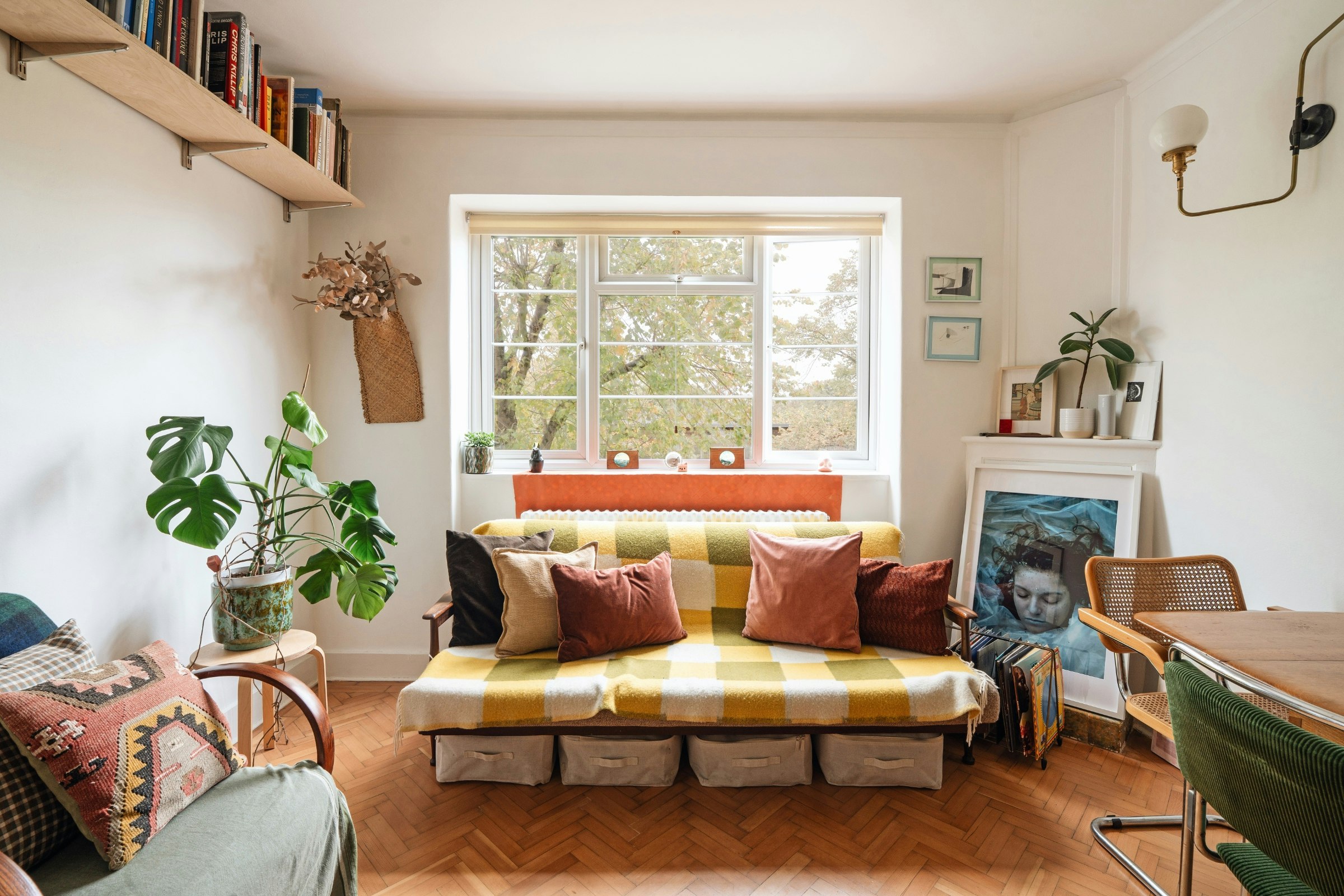
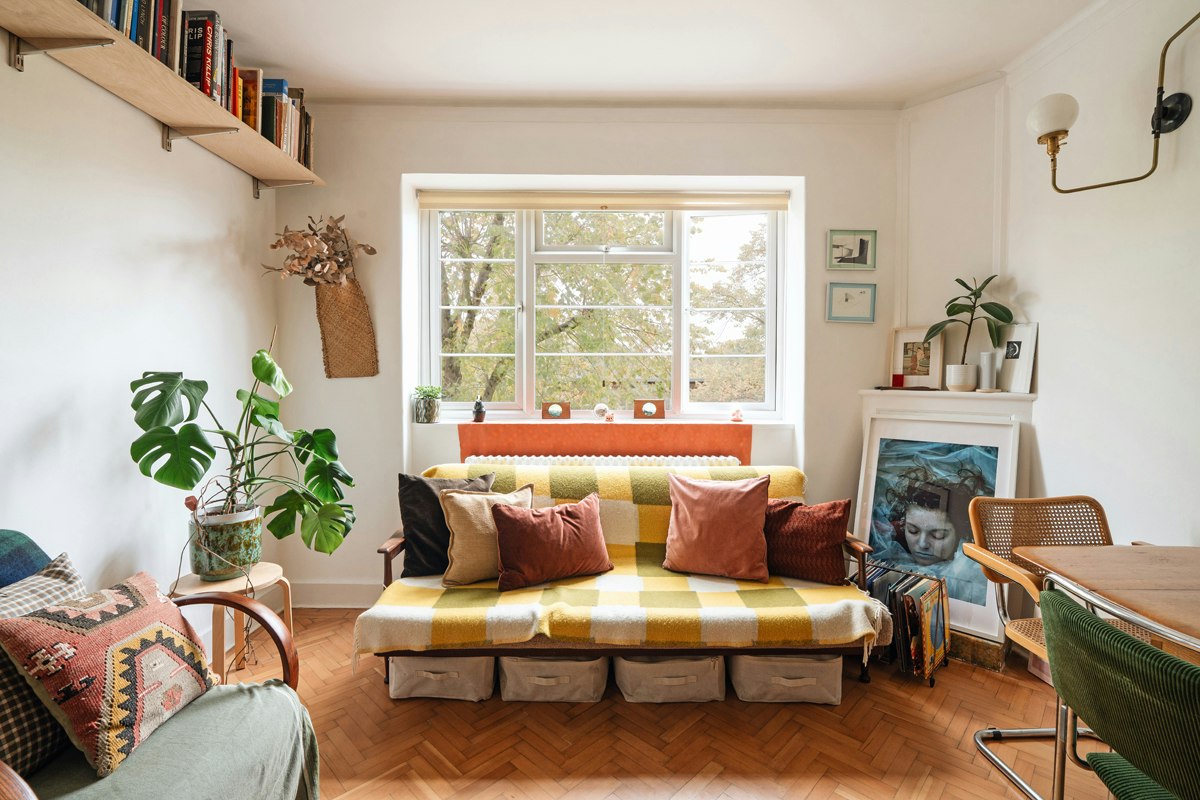
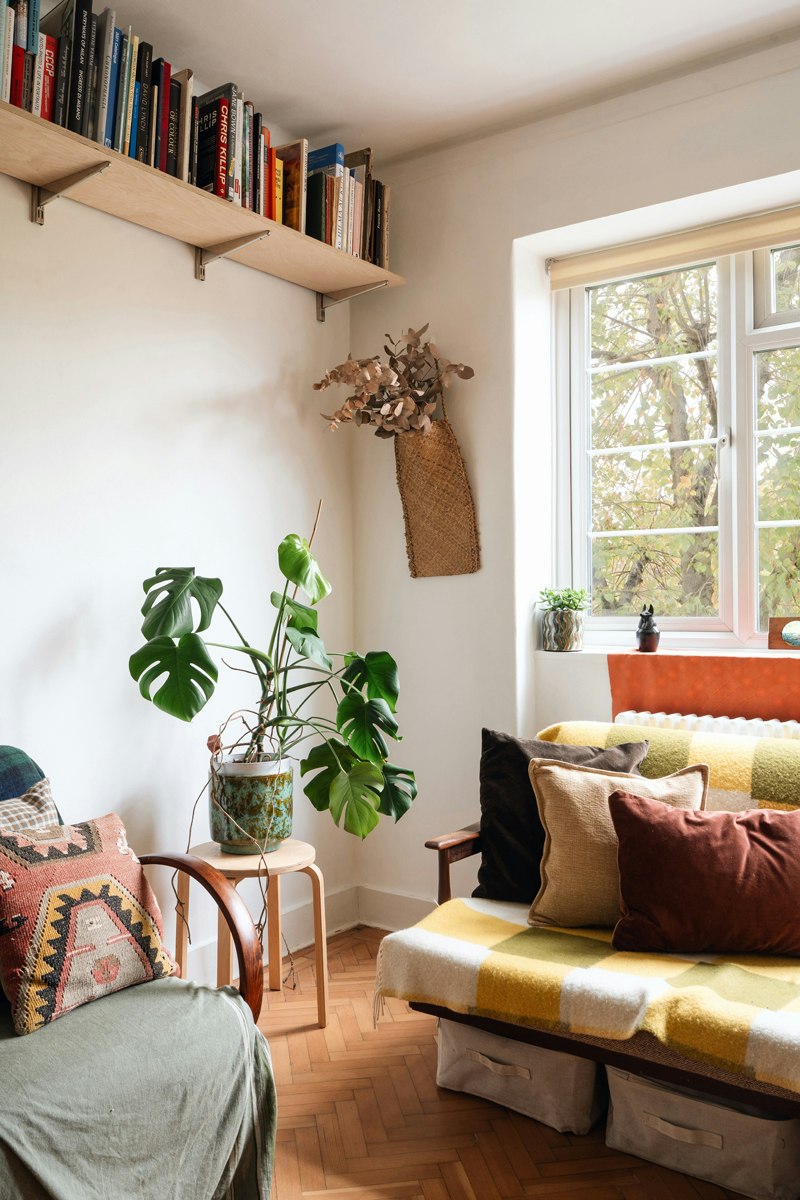
Set along Lansdowne Way in South Lambeth, this 1930s apartment block occupies a particular moment in London's architectural history, when modernist ideas were beginning to reshape the capital's residential landscape. This one bedroom flat offers a more intimate expression of that period: a well-proportioned home with high ceilings, south-facing rooms and original-style parquet flooring that brings warmth and texture underfoot. The flat's appeal lies in its simplicity. Natural light moves through the principal rooms, the separate kitchen gives the living space a sense of definition, and the combination of pale walls, timber and carefully chosen furnishings lends the interiors an easy, collected feel. It's a home that feels personal rather than overworked, with room for books, art, plants and the everyday objects that gradually make a place your own.

History of Hartington Court

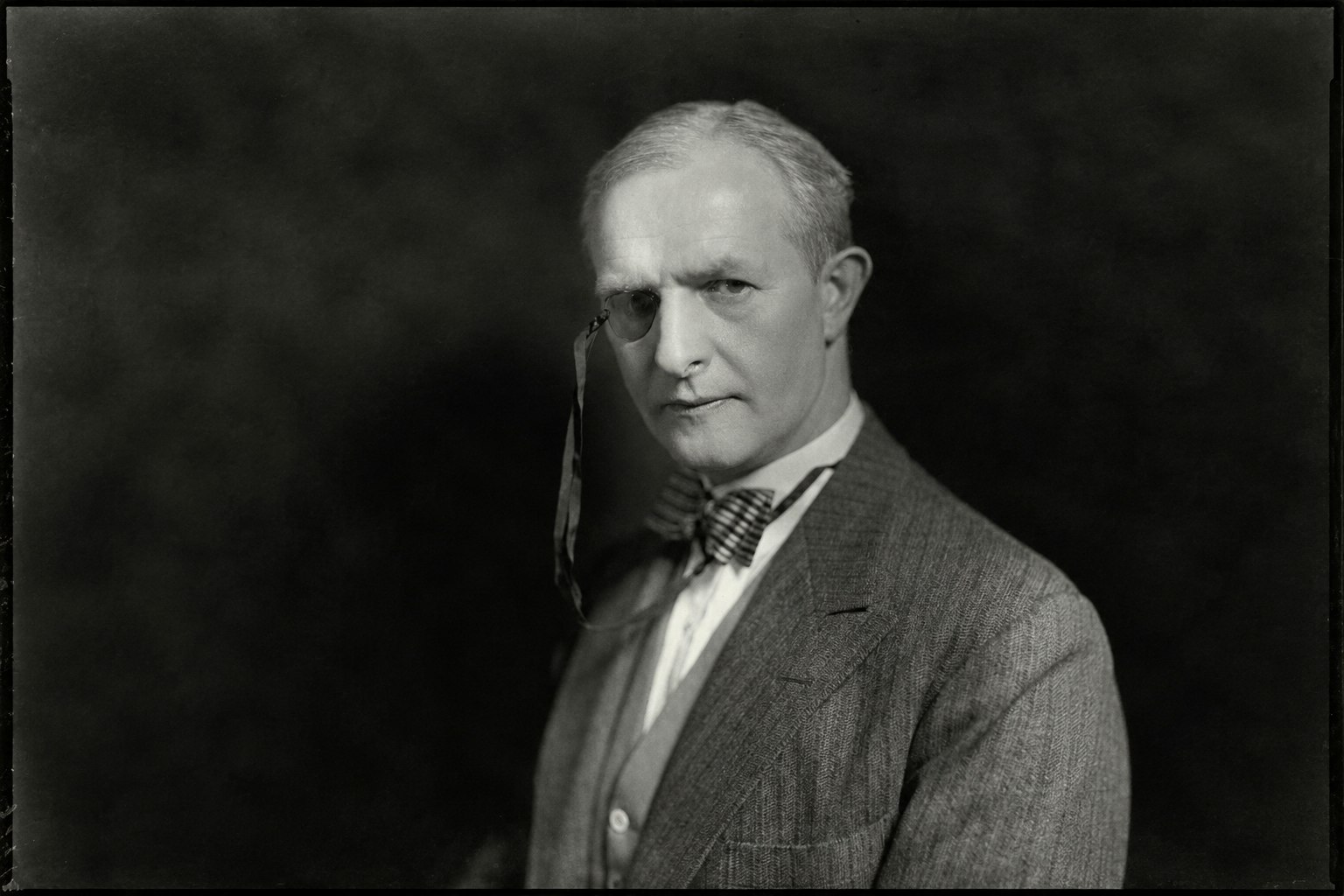
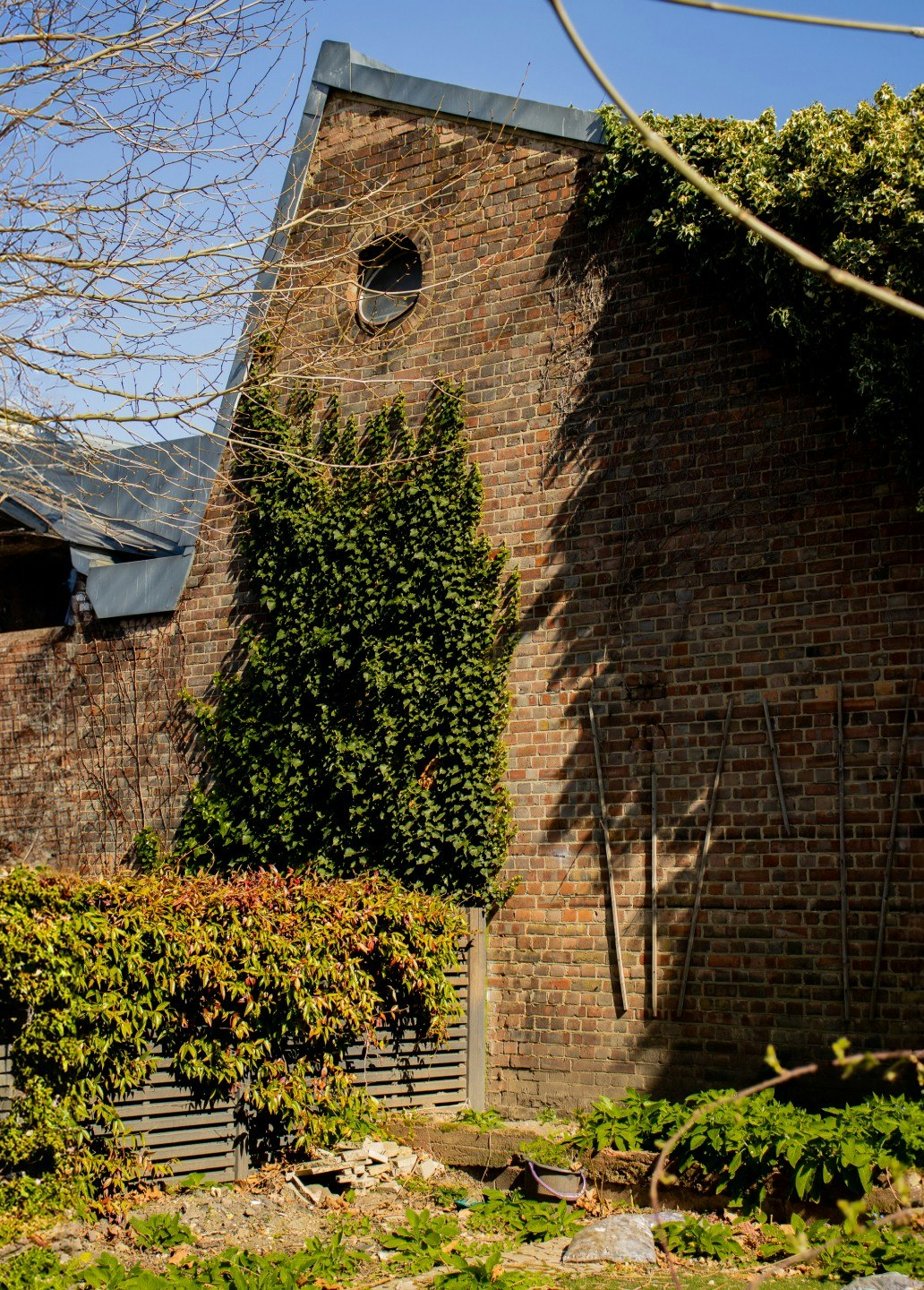
Hartington Court was photographed for the architectural press in 1936 by Sydney Newbery, whose studio was just a few streets away in Stockwell Terrace. The photographs are held in the RIBA Collections, where the building is catalogued as the work of George Grey Wornum, an architect whose practice formed part of Britain's wider shift towards modernism in the interwar years.

Wornum's wider body of work includes the RIBA headquarters at 66–68 Portland Place, completed in 1934, and the Kensal House housing scheme, developed with Maxwell Fry from 1936. Hartington Court belongs to this same period of architectural experimentation, when housing was increasingly conceived around clarity of form, practicality and the possibilities of modern urban living.

The block replaced a row of earlier Victorian villas at Nos. 104–110 Lansdowne Way. Its surroundings retain traces of that earlier neighbourhood: the nearby houses and terraces were developed during the 1840s, when this part of South Lambeth was laid out with a series of carefully planned streets and garden-facing villas.

Today, Hartington Court sits within the Lansdowne Gardens Conservation Area. Although the building itself is not listed, many of its historic neighbours are Grade II listed, lending the immediate streetscape a particular architectural continuity. The result is an interesting meeting of periods: the restrained modernism of the 1930s set against the more decorative Victorian character of the surrounding streets.

1. Architect – George Grey Wornum

1.

2.

How it Feels Inside

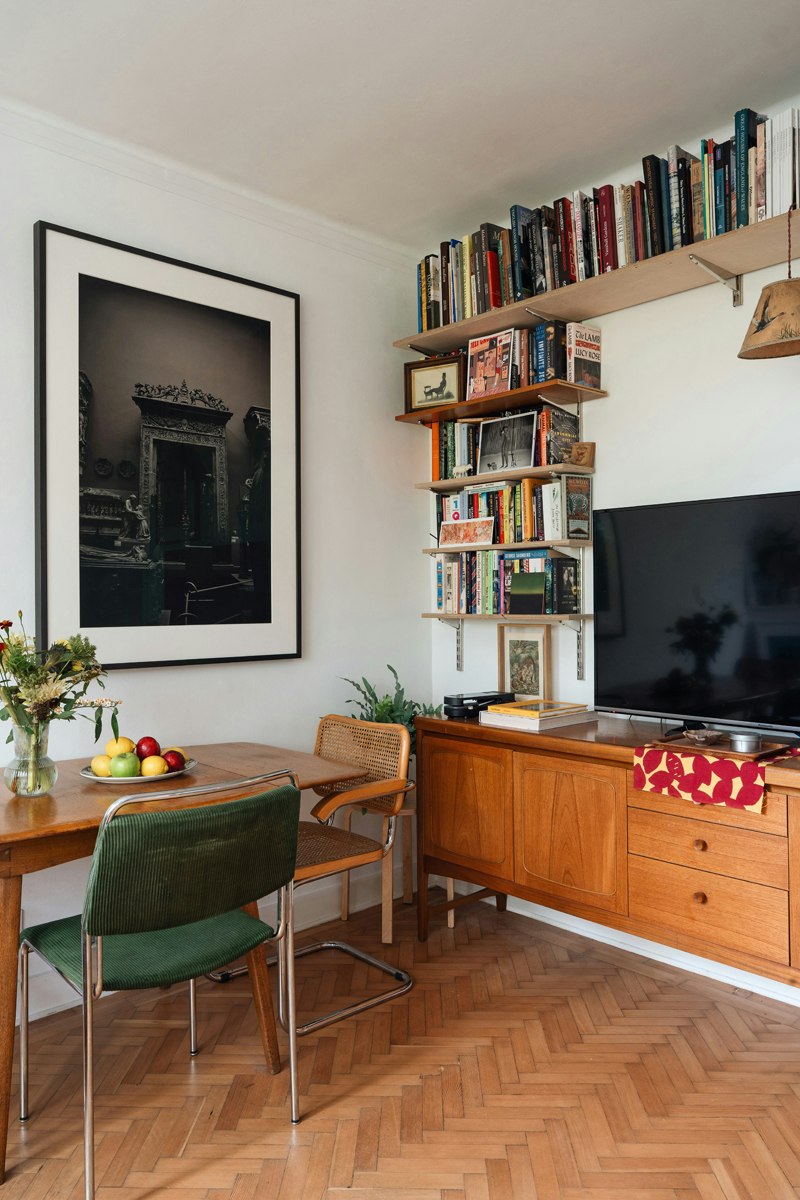
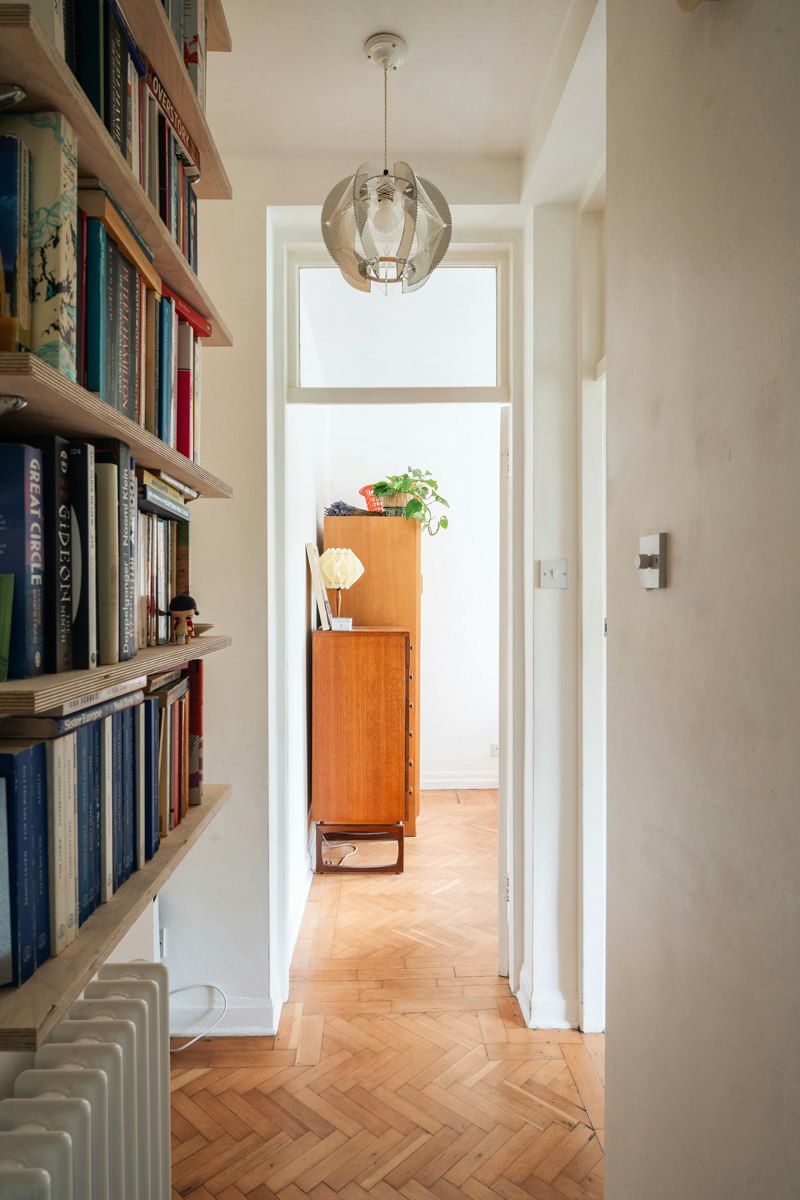
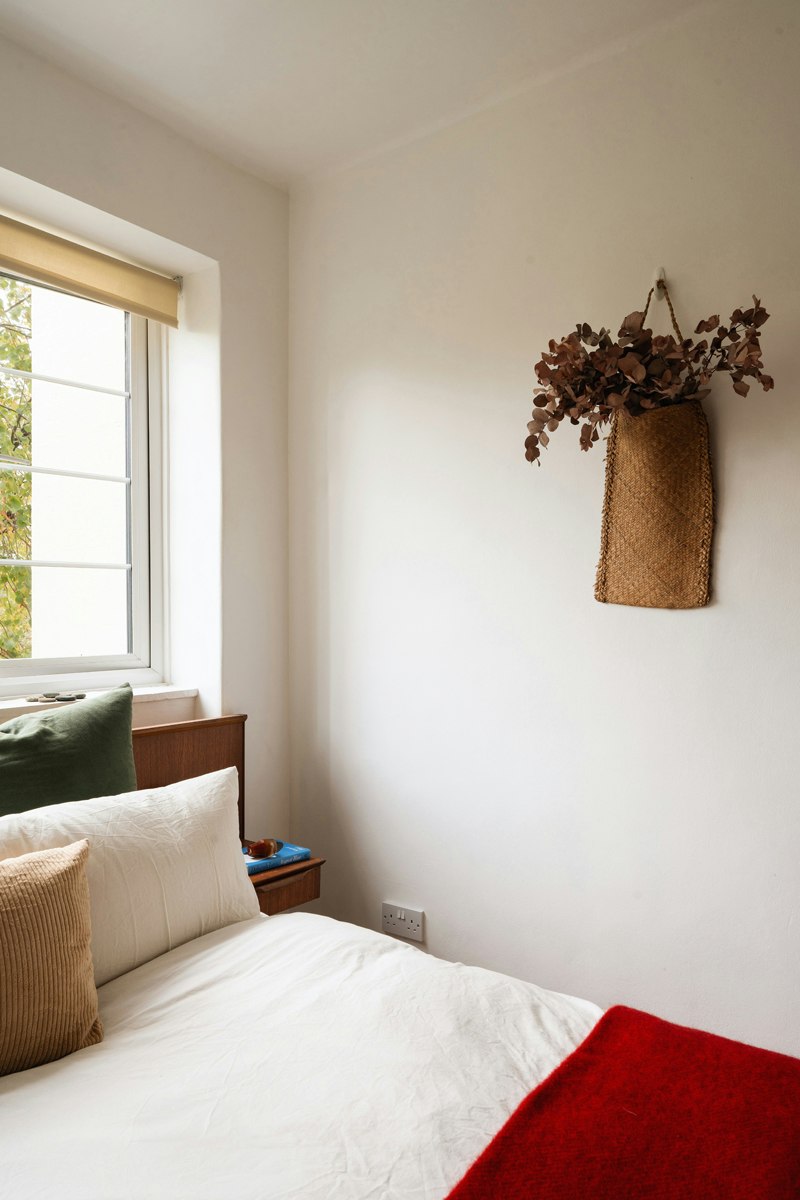
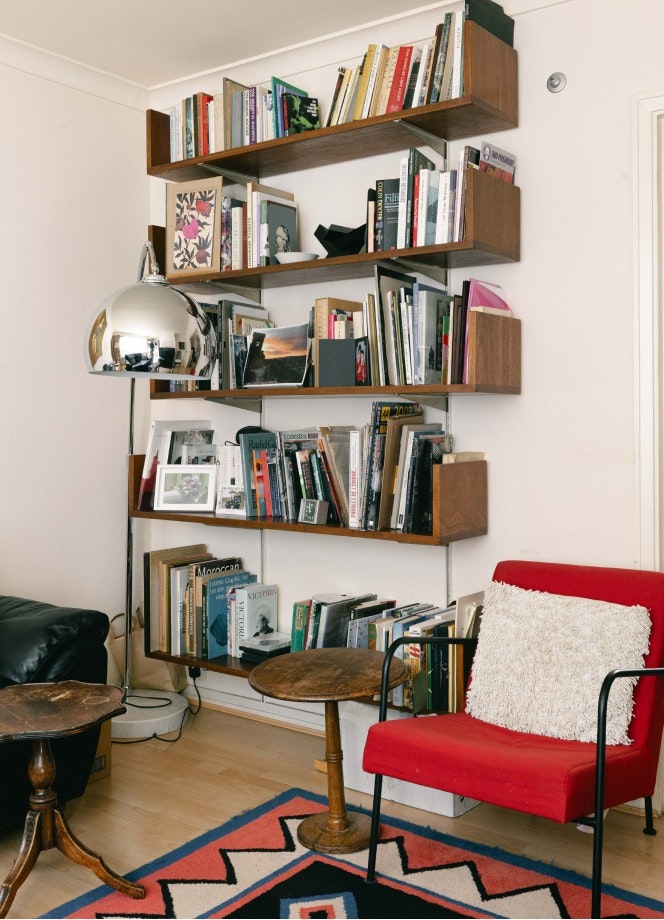
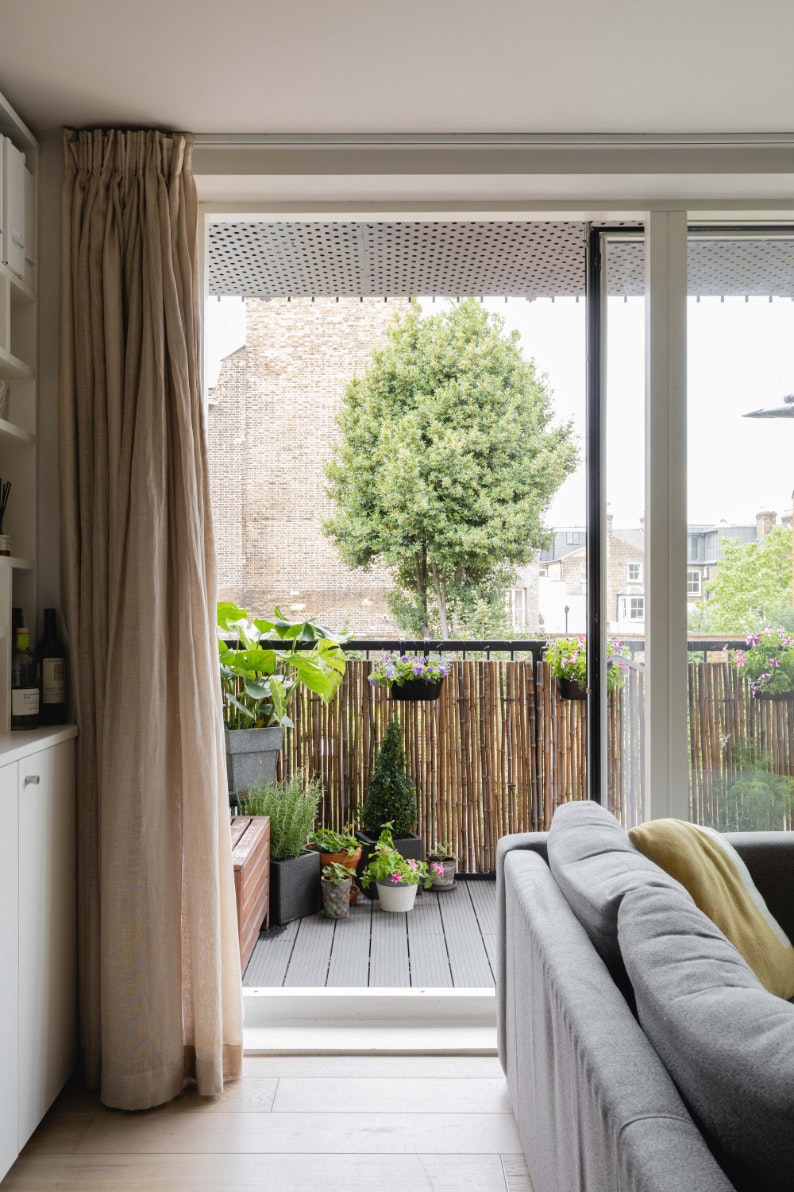
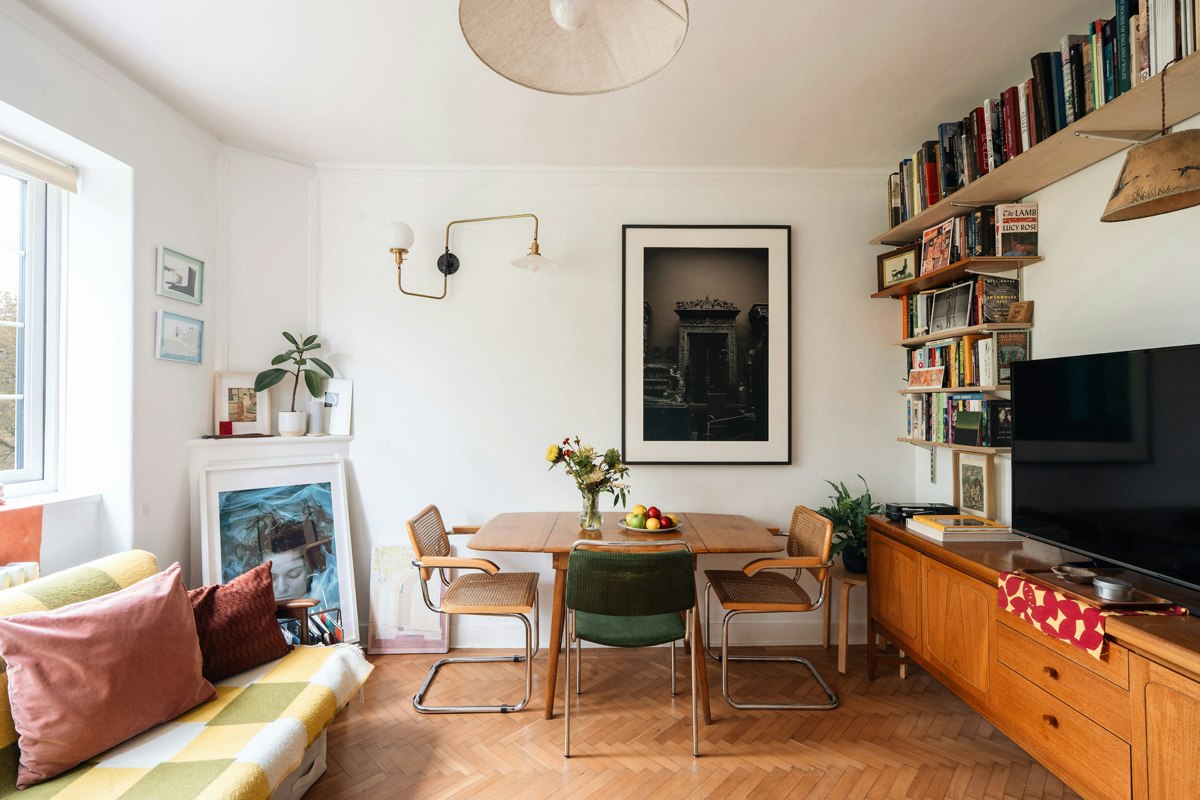
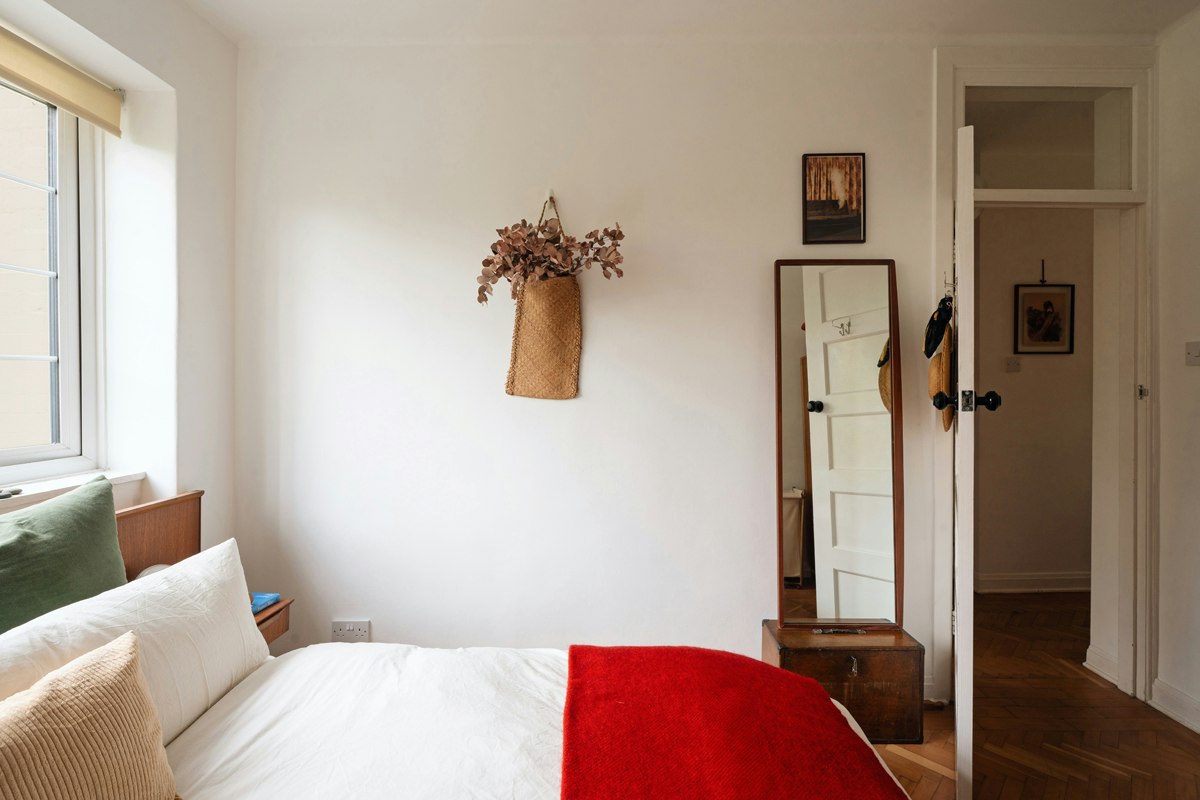
South-facing windows, high ceilings and original parquet give this one-bedroom flat a sense of space and character beyond its modest footprint. At approximately 400 sq ft, the layout is neatly arranged, with a separate kitchen, reception room, bedroom and bathroom. The reception room features a generously glazed aspect drawing daylight into the space. The parquet flooring provides a handsome foundation, its pattern adding detail without competing with the furnishings. There's a natural warmth to the room, particularly alongside the soft textiles, layered cushions and greenery seen throughout the home. The bedroom follows a similar palette. High ceilings and wooden floors give the room a sense of openness, while the south-facing aspect brings in light throughout the day. White bedding and warm, earthy tones create a restful atmosphere, with a woollen throw adding a confident note of colour. It's a simple, inviting space that feels equally suited to slow mornings and the end of a busy day. The separate kitchen is practical and neatly arranged. Its compact proportions make good use of the available space. There is room for the everyday essentials, with the kitchen kept distinct from the main reception area. It's a home with a clear identity, but not one that dictates how it should be lived in. The proportions and finishes provide a sound backdrop for an eclectic collection of furniture, artwork and objects gathered over time.

1.

2.

The Local Area of Stockwell
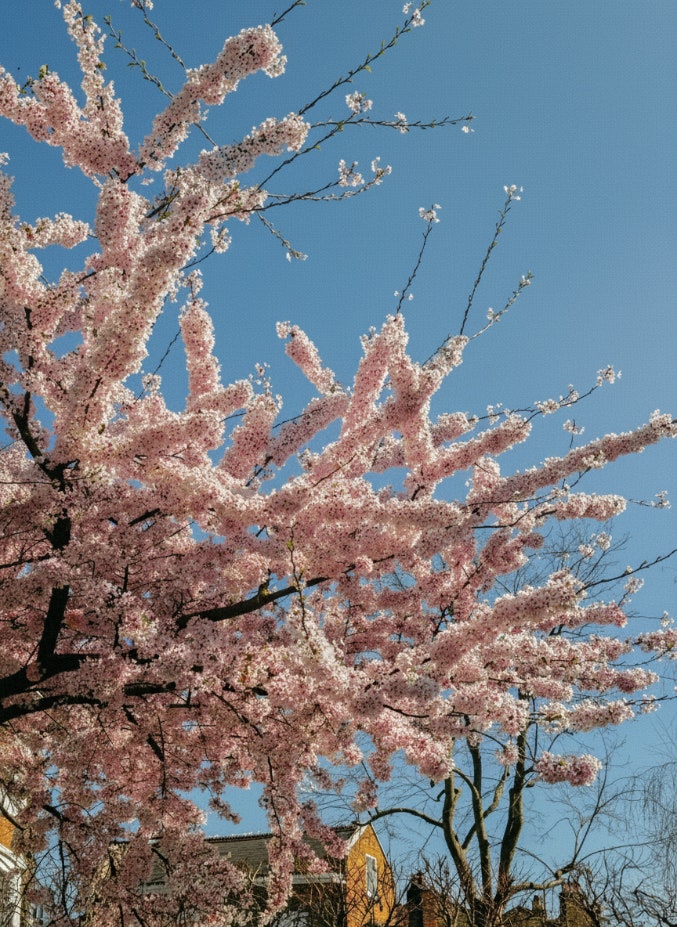
There’s plenty to discover around Stockwell, particularly if you like a neighbourhood with a strong identity of its own. South Lambeth Road is the heart of Little Portugal, where family-run delis, bakeries and cafés bring a distinctly Portuguese flavour to this part of South London. Delícias is a good place to seek out pastries, while Lisboa Patisserie and A Toca Restaurant & Deli offer more opportunities to explore the local food scene. For a proper sit-down meal, Lusitania serves Portuguese favourites, with grilled fish, seafood and Portuguese wine among the draws. Coffee drinkers are well catered for, too. Moonstruck, on South Lambeth Road, has developed a following for its carefully prepared coffee, pastries and laid-back atmosphere. It even has an independent art space tucked downstairs, Under The Spell, which feels particularly fitting in a neighbourhood with an increasingly interesting creative scene. Flour & Thorn, newly opened just around the corner, is a French bakery and florist in one, and the flowers in these photographs are theirs. For an evening closer to home, the Canton Arms on South Lambeth Road is the obvious first call: a proper pub with a serious kitchen, and the sort of place that rewards becoming a regular. The Cavendish Arms, known locally as the Cav, is the other one to know, with an improbably good programme of independent European music and comedy that gives it a character all of its own. When it comes to culture and entertainment, Brixton is within easy reach, with its celebrated food market, live music venues, independent businesses and busy nightlife. In the other direction, Nine Elms and Battersea Power Station bring a newer riverside destination into the mix, with restaurants, bars, shops, cinema and theatre. There is a welcome choice between the independent, neighbourhood-led character of Stockwell and somewhere a little more expansive for a weekend afternoon or evening out. Larkhall Park is around six minutes away on foot. Its open lawns, tennis courts, football pitches, playground and community garden make it a useful everyday escape, whether for a run, a game of tennis or simply a little time outdoors. The Thames riverside at Nine Elms and the wider green spaces around Battersea offer further options for walks and weekends outside. Stockwell Underground station is around five minutes’ walk, bringing both the Victoria and Northern lines within easy reach. Nine Elms station provides another Northern line option, while Vauxhall offers National Rail connections alongside the Underground and bus routes. It is a location that makes everyday life straightforward without losing its local flavour: independent cafés and Portuguese bakeries for the morning, a neighbourhood pub for the evening, green space close by and two Underground lines connecting you to the rest of London.

For enquiries, to express interest or to find a similar home,
reach us at

info@folktaleproperty.com

Downloads

FloorplanEPC

Recently Sold

De Beauvoir Townhouse

Sold

De Beauvoir Road, N1

Stanhope Mews

Sold

Stanhope Mews, SW7

Moore House

Sold

Millfields Road, E5

© FolkTale 2026

Subscribe for property alerts